English
 русский
 Español
 Deutsch

Content
- 1 Haldex Automatic Slack Adjuster Cross Reference: How to Replace with Certainty
- 2 A Cross-Reference Is a Fit Assessment, Not a Number Dictionary
- 3 What a Haldex-Style Part Number Actually Tells You
- 4 Frequently Encountered Haldex Automatic Slack Adjuster Numbers
- 5 The Fit Variables That Decide Whether a Replacement Works
- 6 Quality Differences Hidden Behind the Same Number
- 7 Building a Cross-Reference Sheet Your Workshop Can Reuse
Haldex Automatic Slack Adjuster Cross Reference: How to Replace with Certainty
The fastest way to find a correct replacement is to treat the cross-reference as a verification checklist: confirm the stamped number, measure the spline and the arm, and order only after those facts agree.
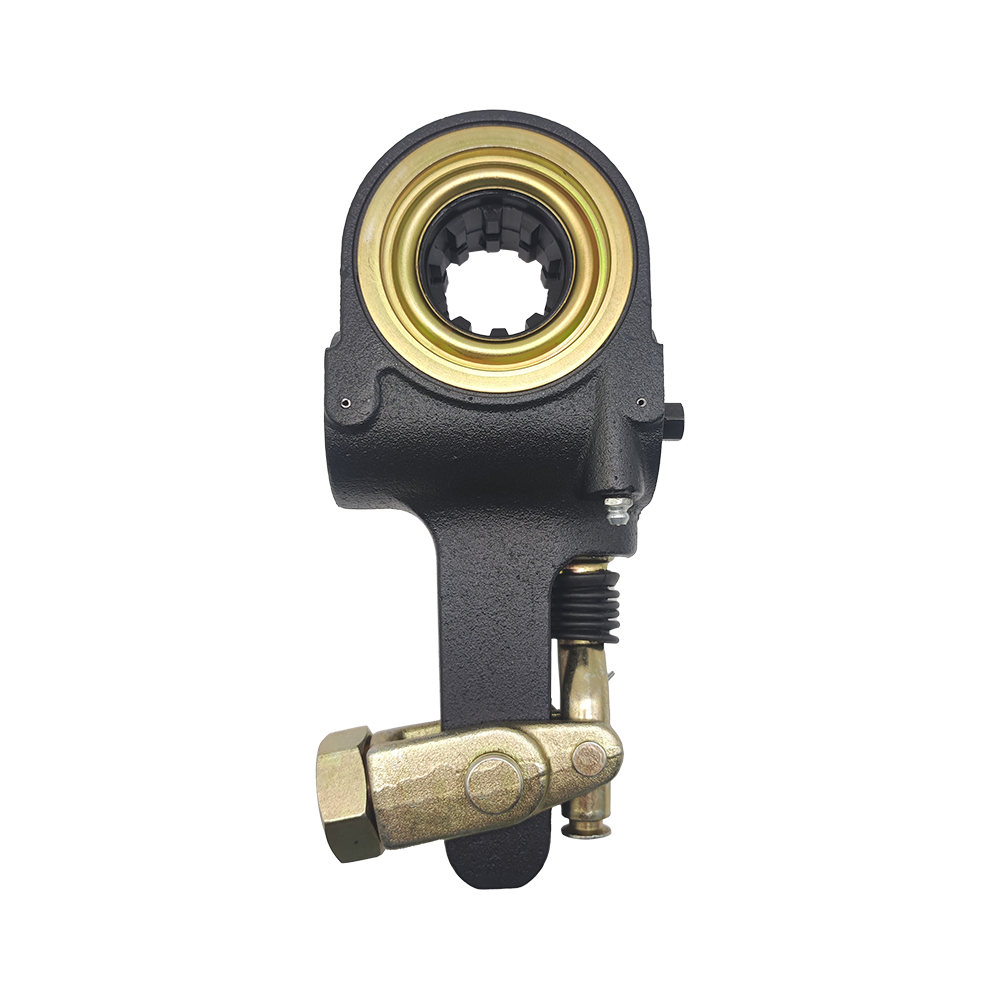
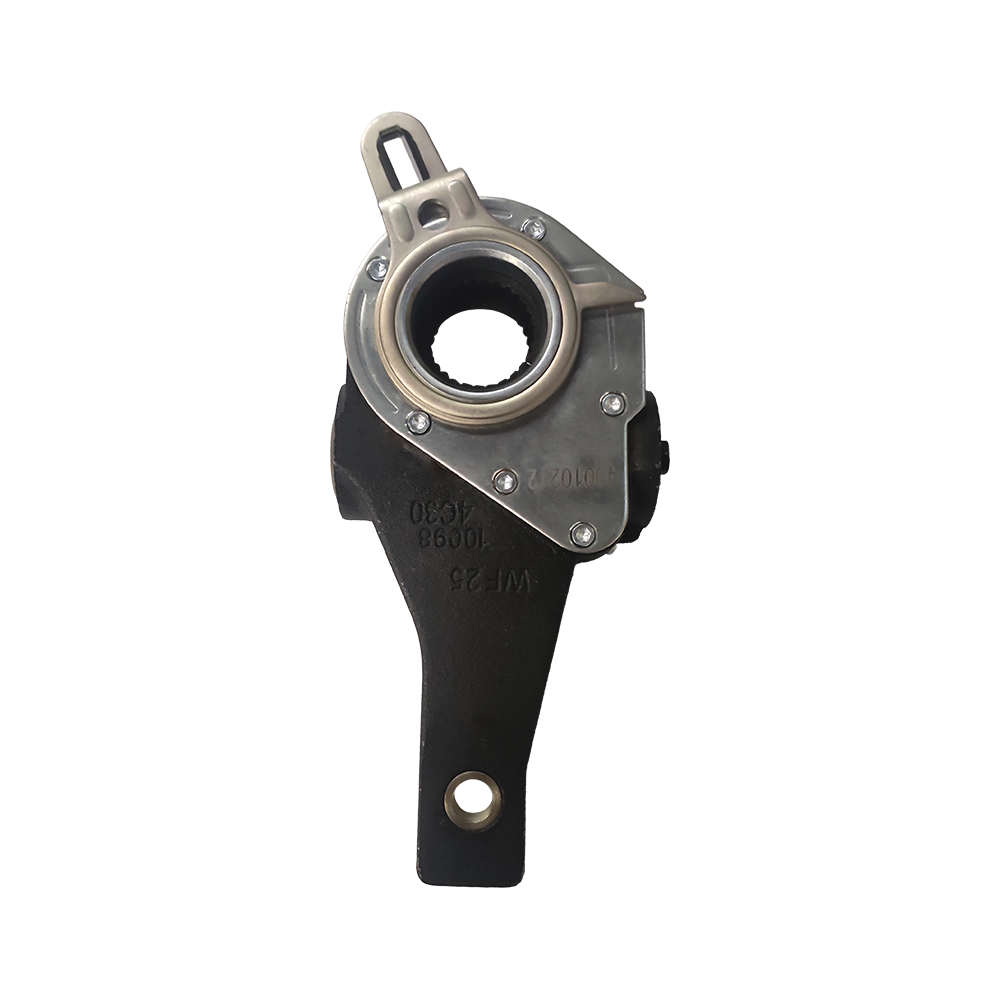
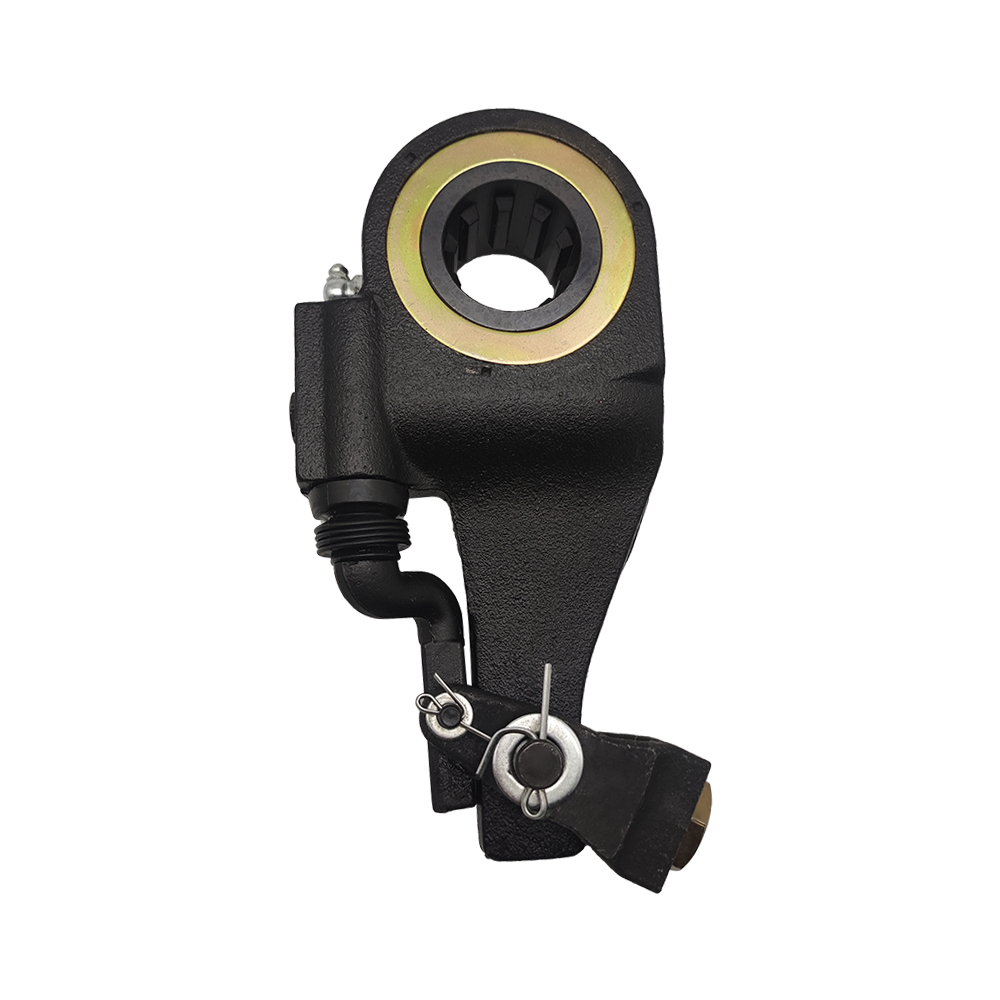
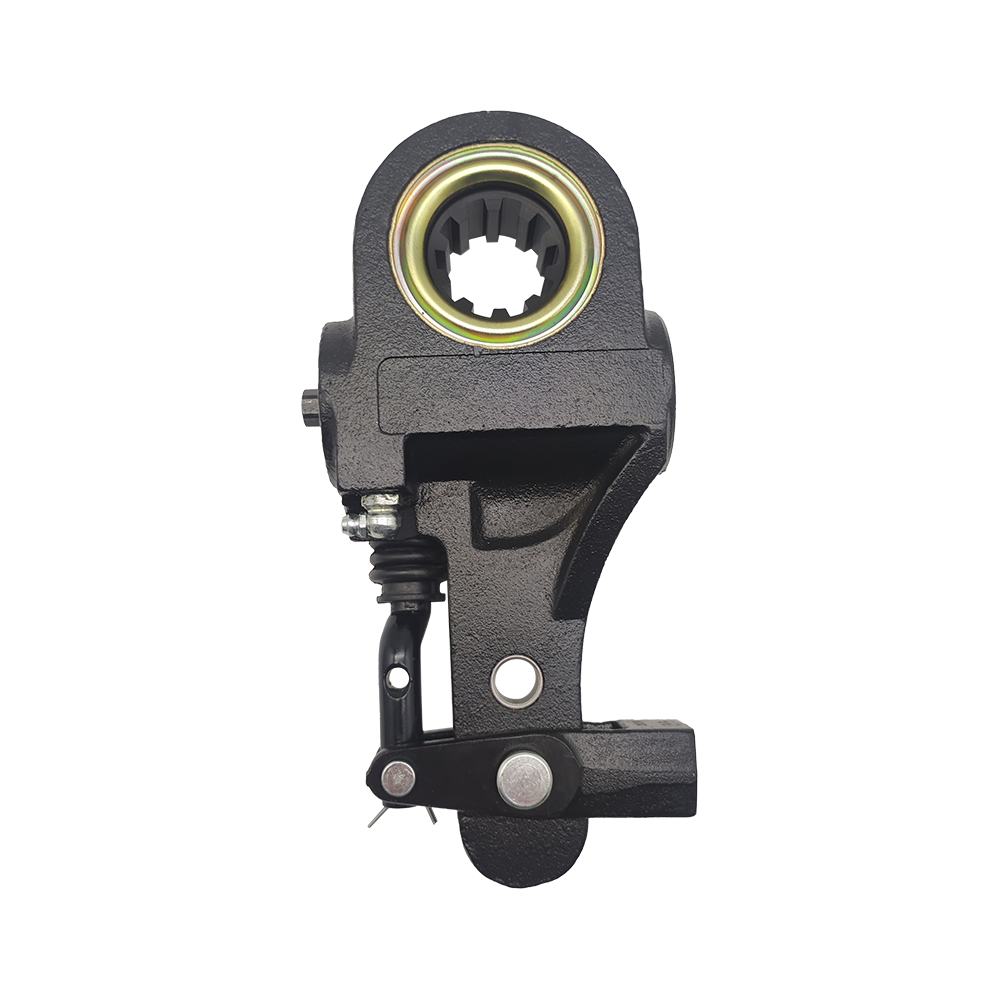
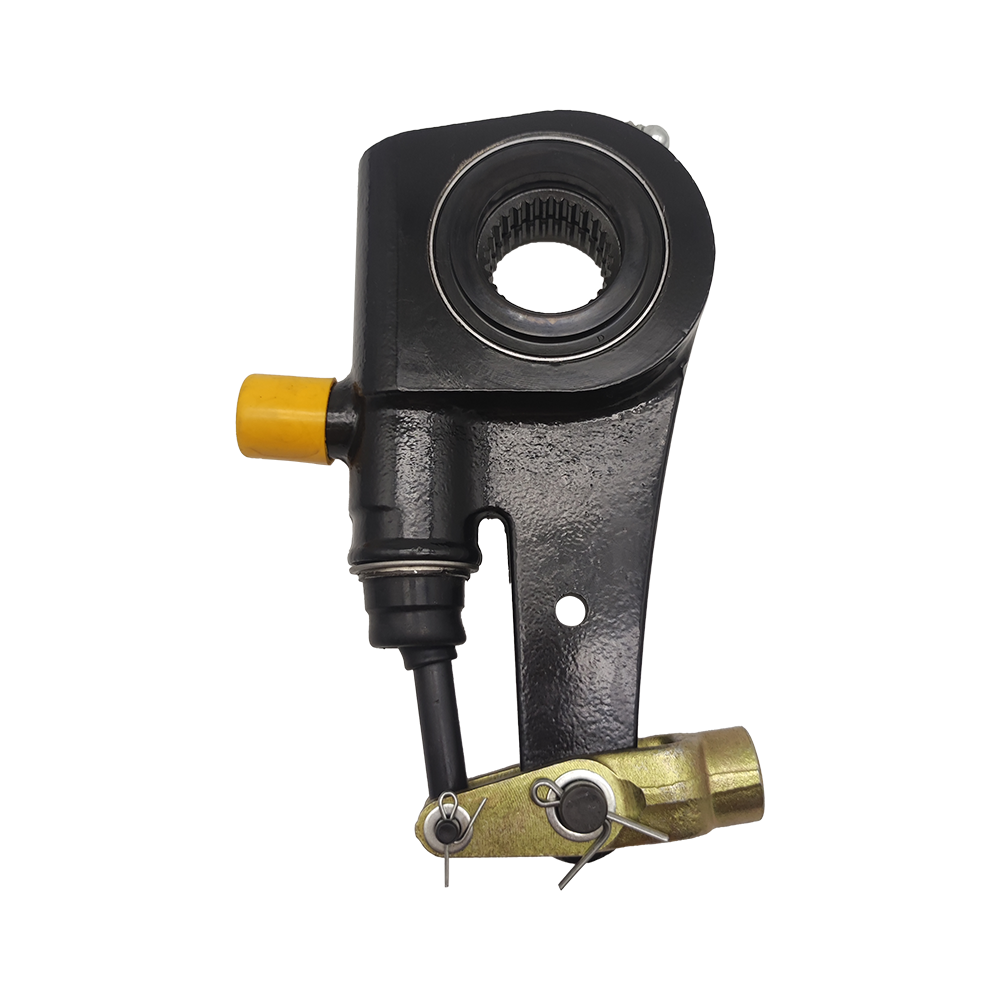
A workshop sees this scenario repeatedly. A tractor arrives with a brake that pulls, and the inspection finds an automatic slack adjuster with a worn worm or seized clutch. The casting carries a familiar Haldex number such as 72660 or 72779, and a catalog search returns "replaces Haldex ..." from several suppliers. The differences lie in the geometry and the material, not in the number. This article explains what a genuine cross-reference must include, and what you can safely skip.
A Cross-Reference Is a Fit Assessment, Not a Number Dictionary
An automatic slack adjuster connects the pushrod of a brake chamber to the brake camshaft. Inside, a sensing mechanism monitors pushrod stroke and rotates the camshaft by a precise amount whenever the stroke grows beyond the designed limit. That small rotation takes up lining wear and keeps shoe-to-drum clearance constant, which is why vehicles with automatic slack adjusters do not need routine manual brake adjustment.
This function only works when the geometry is right. Arm length, spline engagement and clevis alignment determine how the adjuster reads the stroke and how much torque it can apply to the camshaft. A cross-reference list that ignores these variables is only a list of similar-looking parts. The regulatory context underlines the point: in the United States, FMVSS 121 requires automatic slack adjusters on air-braked commercial vehicles, and in Europe, ECE R13 governs brake system performance in the same way.
A slack adjuster that slides onto the spline but has the wrong arm length will never hold its stroke. It looks correct on the bench and fails on the first loaded brake check.
What a Haldex-Style Part Number Actually Tells You
Haldex-style numbers are grouped by product platform. The AA1 is the widely used automatic unit found on many European, Korean, Russian and trailer applications; the S-ABA covers an overlapping range of truck and bus axles with a different internal mechanism; and the older self-setting family still appears on some North American fleets. When an aftermarket supplier says a product replaces Haldex 72660, it means the casting is designed to match the functional position of that original part, not that every internal component is identical.
The platform code identifies the market segment; the suffix defines side and arm style. The same number is rarely shared between a European truck and a trailer position, because spline, arm and clevis all differ. Reading the number correctly is the first filter; it narrows the search to one product family in one application group.
Frequently Encountered Haldex Automatic Slack Adjuster Numbers
Some Haldex numbers appear so often in replacement orders that every parts counter knows them immediately. Use the table below as a starting point, then confirm the listed variables before you order.
| Haldex Number | Type | Typical Application |
|---|---|---|
| 72660 / 72661 | AA1, left / right pair | Scania trucks |
| 79250 / 79251 | AA1, left / right | Daewoo bus axles |
| 72779 | AA1 | Daewoo bus axles |
| 79836 / 79863 | AA1 trailer | Trailer axles, 25 teeth / 3 holes |
| 80009 / 80030 | S-ABA | Mercedes-Benz trucks |
| 80180 / 80181 | S-ABA | MAN trucks |
| 80226 | S-ABA, 26 teeth | Mercedes-Benz trucks |
| 43419Z01A / B | S-ABA, 24 teeth | Hino trucks |
The 72660/72661 pair belongs to the Scania side positions and is machined as a matched pair for left and right installation. Both share the same spline profile and arm length. Ordering without a side indicator is one of the most common causes of return freight in brake parts supply.
When you compare a replacement for this position, keep the original casting on the bench and check spline fit, clevis bolt spacing and arm length one by one. If the new part matches on all three, it will install without modifying the bracket or the pushrod yoke.
The Fit Variables That Decide Whether a Replacement Works
Once the number narrows the search, four mechanical measurements decide whether the replacement will fit: spline count and diameter, arm length centre-to-centre, clevis mounting pattern, and left or right orientation. A fifth variable, brake chamber stroke, determines the stroke limit the adjuster must maintain. Collecting all five before ordering turns a guess into a purchase decision.
The five variables to record before ordering
- Spline count and diameter. The most common North American fit is 10 splines at 1.5 in; European axles use other profiles. Gauge the spline instead of comparing it by eye.
- Arm length. Measured centre-to-centre, usually in inches on North American listings and in millimetres on European listings.
- Clevis mounting. One-hole and three-hole versions exist. Trailer units are frequently catalogued as three holes with 25 teeth, while some older trailers use 28 teeth.
- Side orientation. Left and right units are mirror images and cannot be swapped.
- Stroke limit. The designed pushrod stroke, typically 2 in or 2.5 in, must match the brake chamber on the axle.
| Variable | Typical Values | Why It Matters |
|---|---|---|
| Spline engagement | 10 spline, 1.5 in; 16 spline | Poor engagement wears the camshaft and lets the adjuster rotate out of position. |
| Arm length | 5.5-6.5 in centre-to-centre | Wrong length distorts the stroke reading and the torque applied to the camshaft. |
| Clevis pattern | 1 hole; 3 holes, 25 or 28 teeth | The pushrod yoke cannot be bolted to a mismatched clevis. |
| Orientation | Left / right | A swapped unit inverts the adjustment direction. |
| Stroke limit | 2 in / 2.5 in typical | A mismatch with chamber stroke produces over- or under-adjustment. |
Trailer axles add one more precision step: the clevis yoke. Haldex-style trailer numbers such as 79863 are catalogued as 25-tooth three-hole units, but older trailers still run one-hole or 28-tooth yokes. Keeping the old part on the bench until the new part matches every dimension is the most reliable verification a workshop can perform.
Quality Differences Hidden Behind the Same Number
Two parts with the same cross-reference number can behave very differently after a year of service. The internal worm gear, the clutch surface and the seal determine whether the adjuster responds consistently during braking or gradually seizes under salt, moisture and temperature cycling. Housing rigidity matters just as much: a flexing casting lets the sensing mechanism read movement that is not genuine pushrod travel.
That is why the last step of any cross-reference should include a review of the supplier's manufacturing standard, not only a price comparison. Look for a rigid cast or forged housing, a sealed worm-gear chamber and a spline fit machined to a controlled tolerance. If a supplier lists the same replacement number for several markets, ask for the dimension sheet for your market. Reviewing the early warning signs of a failing automatic slack adjuster will also help you catch the next failure before it becomes a road call.
Building a Cross-Reference Sheet Your Workshop Can Reuse
Fleets that record every removal build their own reference library within months. Each time a slack adjuster is replaced, note the vehicle position, the number stamped on the housing, the spline count, the arm length, the clevis pattern and the brake chamber stroke. After a dozen replacements, the pattern of your fleet becomes visible: you know which numbers recur and which dimensions vary between bus, truck and trailer axles.
A reusable checklist for the workshop
- Measure the spline and arm length before oil and road film dry.
- Record side position and axle location together with the part number.
- Compare the replacement's stamped number and dimension sheet against the original.
- Fit the clevis yoke by hand before torquing the unit.
- Perform a stroke check after installation, then re-check on the first loaded trip.
Korean bus fleets see the same Haldex family again and again. The 72779 and the 79250/79251 pair cover Daewoo bus axles, and a shop that has recorded those units once can order the next set in minutes, comparing only the side and the arm length.
The same discipline applies whether the replacement is for a European truck, a Japanese bus or an American trailer: record the number, verify the variables, and keep the old casting until the new part has matched it.
A Haldex automatic slack adjuster cross-reference works best when it is treated as a verification checklist instead of a shortcut. The stamped number identifies the product family; the spline, arm length, clevis and side orientation confirm the fit; and the supplier's manufacturing quality decides whether the replacement will still be working when the linings are next replaced. Ten extra minutes of measurement before ordering is the cheapest maintenance action a workshop can take.
Understanding how automatic slack adjusters contribute to overall brake system safety is the final piece of background every technician needs before trusting a part number at face value. The cross-reference is a tool; the measurement is the answer.