English
 русский
 Español
 Deutsch

Content
- 1 Automatic vs Manual Slack Adjusters: The Choice Behind Every Brake Stroke
- 2 What a Slack Adjuster Actually Does
- 3 How to Tell Them Apart in Under a Minute
- 4 How Automatic Slack Adjusters Do the Job
- 5 Manual Slack Adjusters: Simple, Honest, Unforgiving
- 6 Automatic vs Manual: Side by Side
- 7 Why Manual Adjusters Are Still on the Shelf
- 8 Fitment Is Decided by Data, Not by Shape
- 9 One Inspection Routine That Covers Both Types
- 10 The Short Version
Automatic vs Manual Slack Adjusters: The Choice Behind Every Brake Stroke
A tractor is placed out of service at a roadside check because one pushrod travels past 2 inches on a Type 30 chamber that should stop near 1 3/4. The linings still have thickness, the chamber was replaced recently, and the driver noticed nothing unusual. In most cases like this, the trail leads back to a slack adjuster that was allowed to drift beyond its stroke limit — and the type of adjuster fitted to that axle decides whether anyone sees it coming.
The short answer first: on modern air-braked trucks, trailers and buses, the automatic slack adjuster is the right default, because it holds brake stroke inside specification between services without anyone touching a wrench. The manual adjuster remains a legitimate purchase for legacy vehicles and regional markets where manual-adjust platforms are still standard — but it hands the entire safety margin to inspection discipline. Choose the type deliberately, fit it by data, and measure stroke on a schedule either way.
What a Slack Adjuster Actually Does
On an S-cam drum brake, the slack adjuster is the lever between air and friction. The brake chamber's pushrod presses on it, the adjuster turns the camshaft, and the cam forces the linings outward. The 'slack' in the name is running clearance — a small gap between lining and drum that stops the brakes from dragging. As linings wear, that gap widens and the pushrod has to travel further before the shoes make contact.
Stroke is the number inspectors care about, and every standard-stroke clamp-type chamber carries its own limit: a Type 16 near 1 1/4 inches, a Type 20 near 1 3/8, a Type 24 near 1 1/2, a Type 30 near 1 3/4, and a Type 36 near 2. Cross the limit and the vehicle can be restricted until it is corrected, because a stretched stroke means the foundation brake may never deliver its designed force. A manual adjuster keeps stroke in range through scheduled wrench work; an automatic builds the correction into the mechanism itself.
How to Tell Them Apart in Under a Minute
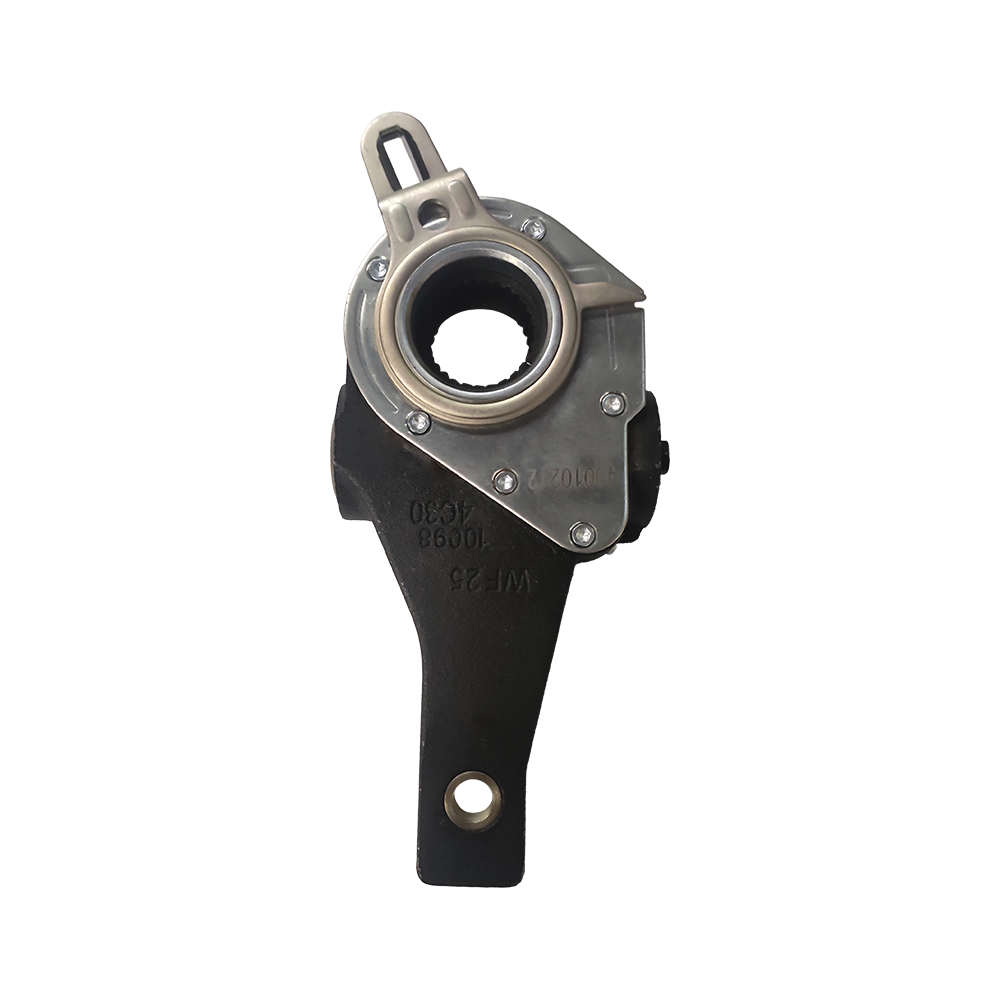
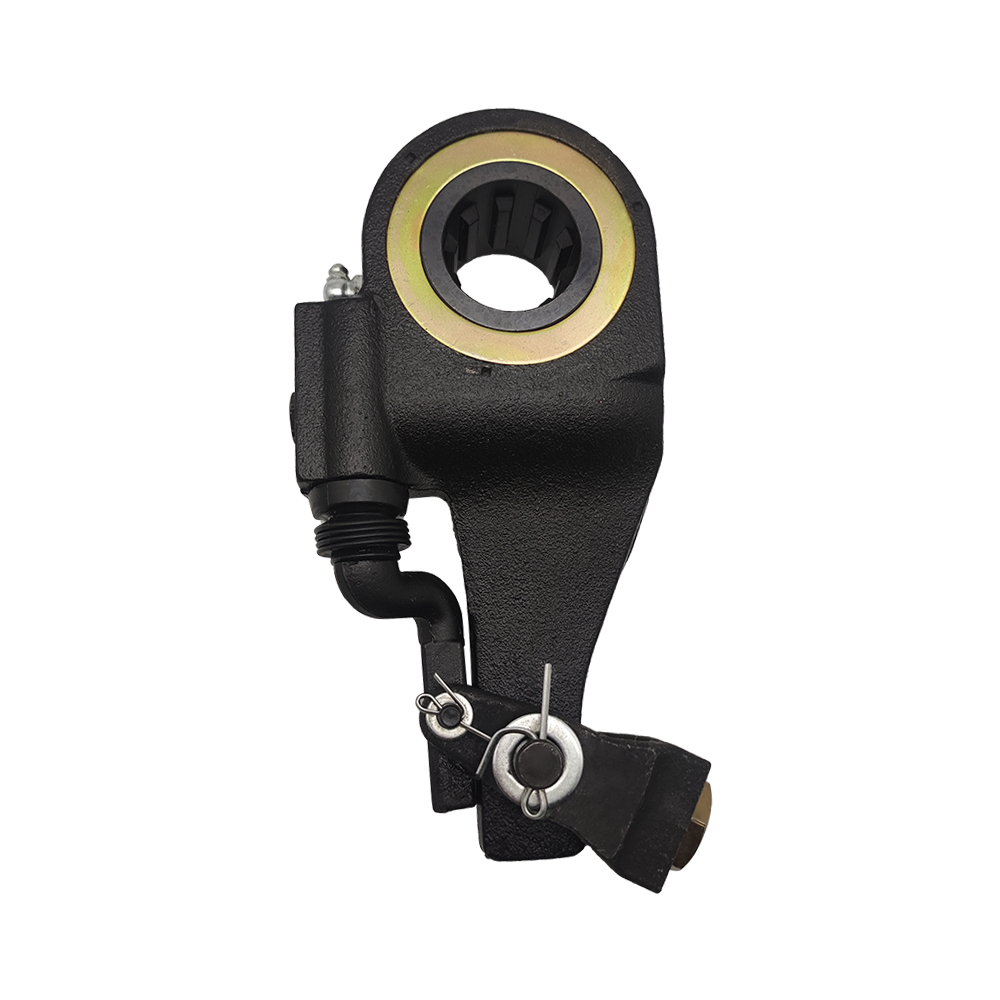
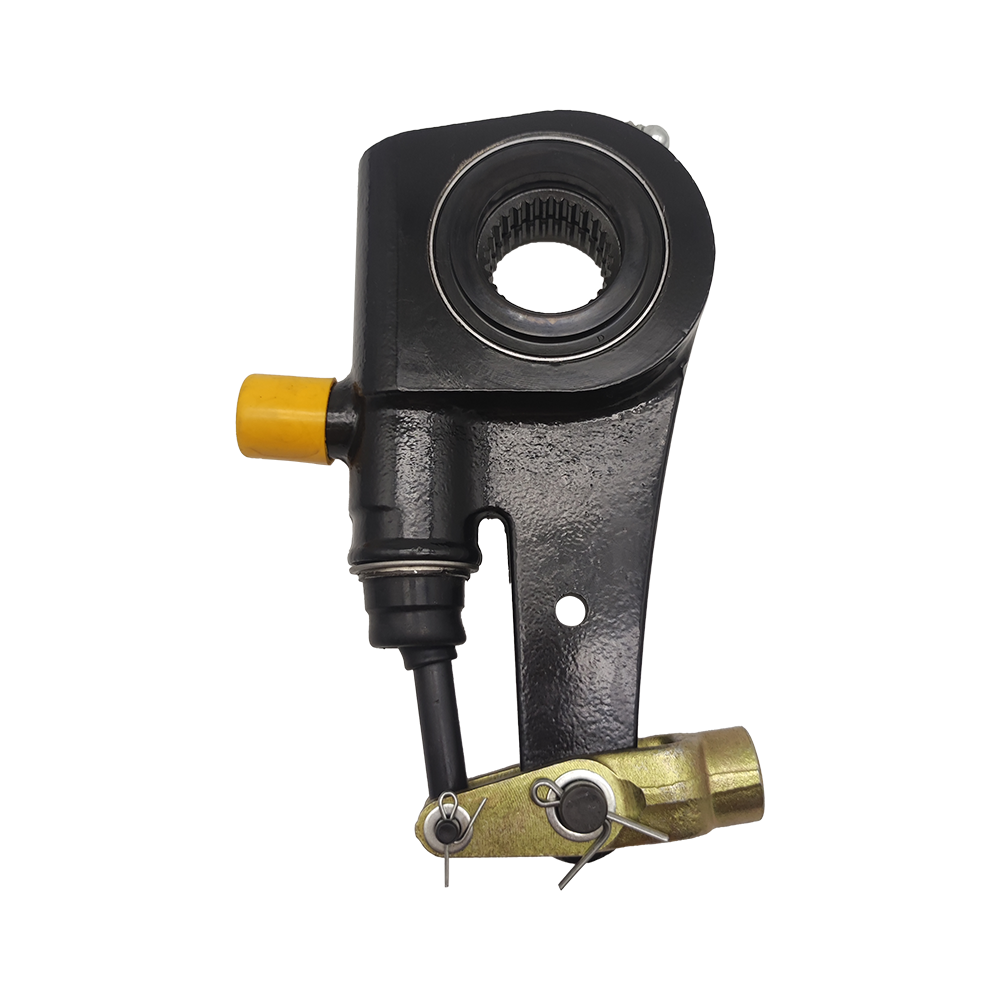
From a distance the two types look similar: a forged lever body, a splined bore for the camshaft at one end, a clevis for the pushrod at the other. The differences sit at the palm end, where the worm shaft enters the housing.
- Look for the worm: a manual unit shows a plain worm shaft with a hex adjustment nut and nothing around it.
- Look for the actuator: an automatic carries a spring-loaded pawl or clutch mechanism riding on the worm gear — a linkage that is often mislabeled as a manual feature, when it is in fact the automatic's signature.
- Watch it work: chock the vehicle, charge the system, make a full brake application and look for the actuator indexing in small steps.
- Confirm by measurement: mark the pushrod, measure stroke on a full application and compare it with the chamber's limit.
A slack adjuster never fails loudly. It drifts a millimeter at a time, on every application, until one day the stroke is past the limit and an inspector's tape measure settles the argument.
How Automatic Slack Adjusters Do the Job
An automatic slack adjuster is designed to maintain brake adjustment continuously during normal use. It does not ratchet on every stroke: a built-in clearance lets the pushrod travel through a defined window before the pawl drives the worm gear around by a fixed increment. As linings wear and stroke creeps toward the top of that window, the mechanism rotates the worm and moves the shoes back toward the drum — a small, repeatable correction the driver never feels.
This is why safety regulations in the major truck markets made automatics standard equipment on new air-braked vehicles, and why inspection routines assume stroke stays in spec. The practical benefit is fewer manual touches, fewer roadside surprises and consistent braking behavior across a mixed fleet.
The honest caveat: an automatic compensates for lining wear, and nothing else. A leaking service chamber, worn camshaft bushings or a weak return spring will still push stroke past the limit, and the adjuster will take the blame if nobody measures anything else. Treat a growing stroke on an automatic as a symptom, not a diagnosis.
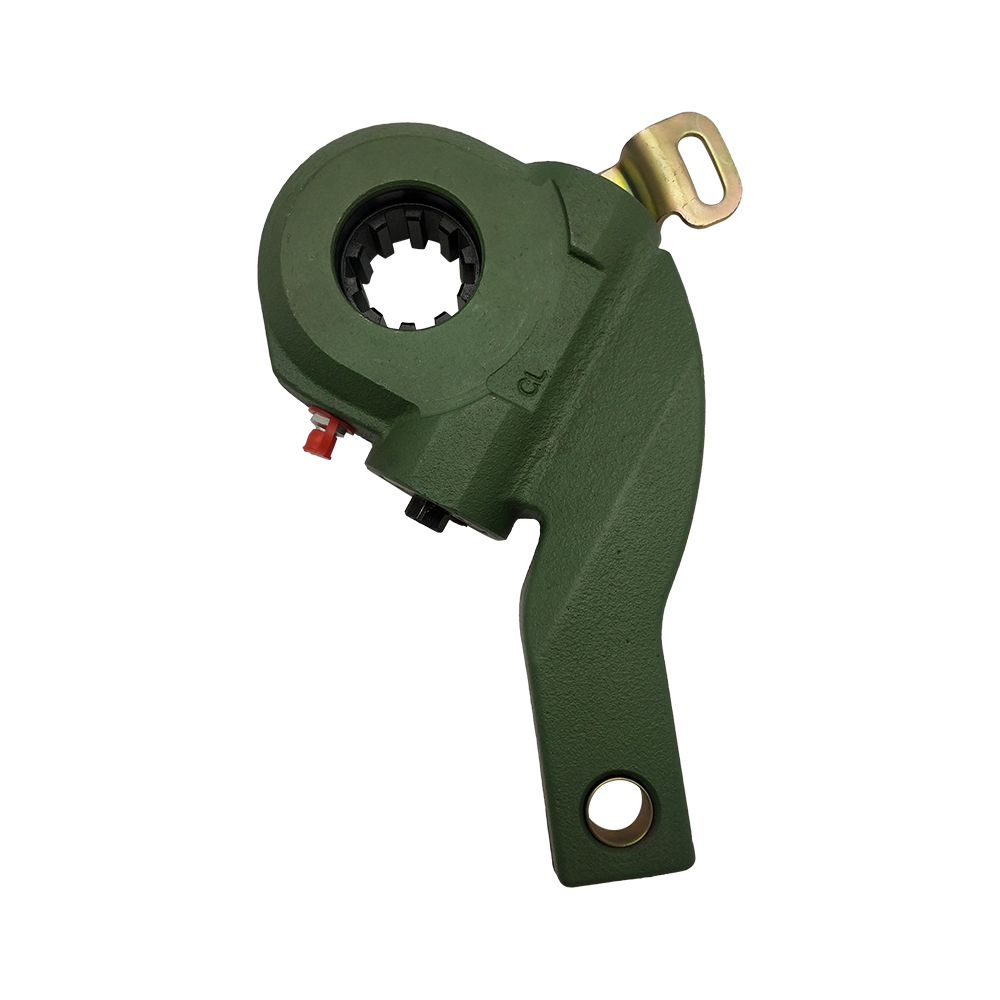 AA1 Automatic Slack AdjusterAn automatic slack adjuster maintains running clearance as linings wear, but growing stroke can also signal leaking chambers, worn bushings or weak springs, so this unit suits fleets that still measure stroke regularly.View Product →
Manual Slack Adjusters: Simple, Honest, Unforgiving
A manual unit has no compensation mechanism at all. The technician turns the worm shaft nut until the linings make firm contact with the drum, then backs the adjuster off to restore running clearance. Done on schedule, it holds stroke beautifully; done occasionally and by feel, it produces both dragging brakes and out-of-service strokes.
The working procedure is short but strict:
- Chock the wheels and confirm the air system is charged to full pressure.
- Turn the adjustment nut until the linings contact the drum.
- Back the adjuster off roughly a quarter to half a turn to set running clearance.
- Confirm the drum rotates freely, with no rubbing or heat.
- Recheck pushrod stroke after a road test, and again within days on a newly lined axle.
Over-adjustment is the quiet killer: shoes that ride the drum build heat, glaze linings and steal braking force on long grades. Under-adjustment shows up as long stroke and weak stops. Some owner-operators genuinely prefer manuals for the five-minute roadside adjustment — a workable preference, but only where the inspection habit behind it actually exists.
Automatic vs Manual: Side by Side
For buyers and workshop planners, the comparison comes down to where the responsibility sits and what failure looks like in practice.
| Aspect | Manual adjuster | Automatic adjuster |
|---|---|---|
| Who keeps stroke in spec | A technician, on a fixed schedule | The mechanism, within its design tolerance |
| Inspection burden | Daily to weekly stroke checks | Visual checks plus periodic stroke verification |
| Typical failure origin | Over- or under-adjustment by people | Masked secondary faults in chamber, cam or springs |
| Compliance position | Legacy and regional applications | Standard on new air-braked vehicles in major markets |
| Cost behavior | Lower unit price, more labor time | Higher unit price, less routine labor |
| Best suited to | Older trucks and certain regional fleets | Tractors, trailers and buses in regular service |
Why Manual Adjusters Are Still on the Shelf
Manuals have not disappeared because the vehicles they fit have not disappeared. Trucks built before automatics became standard are still working, and several regional markets — Russian, Indian and parts of the Japanese and Korean truck populations — still run platforms where the manual adjuster is the original specification. For a distributor covering mixed-age fleets, both types belong in the catalog.
Never fit a manual adjuster in place of an automatic on a vehicle that was designed and certified with automatics. It removes the self-adjusting behavior the braking system was approved with, it changes how stroke behaves between services, and it is a modification trained inspectors look for.
For legacy tractors, older trailers and regional trucks, the purchase rule is the same as for automatics: match the part to the vehicle's data, not to a photograph.
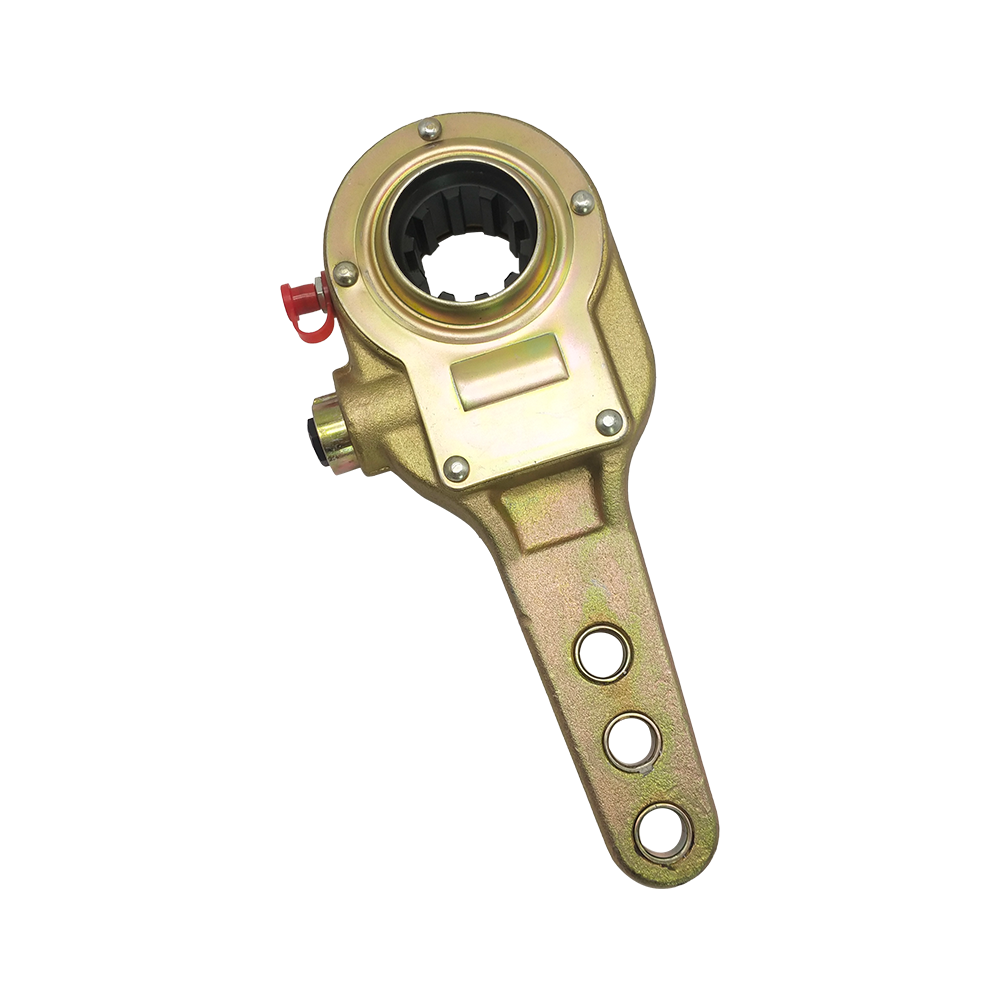 Manual Slack AdjusterA manual slack adjuster has no wear compensation and depends on scheduled adjustment by the technician, making it a practical choice for legacy tractors, older trailers and regional trucks when matched to vehicle data.View Product →
Fitment Is Decided by Data, Not by Shape
Two adjusters can look nearly identical and fit nothing alike. The specifications that actually decide fitment:
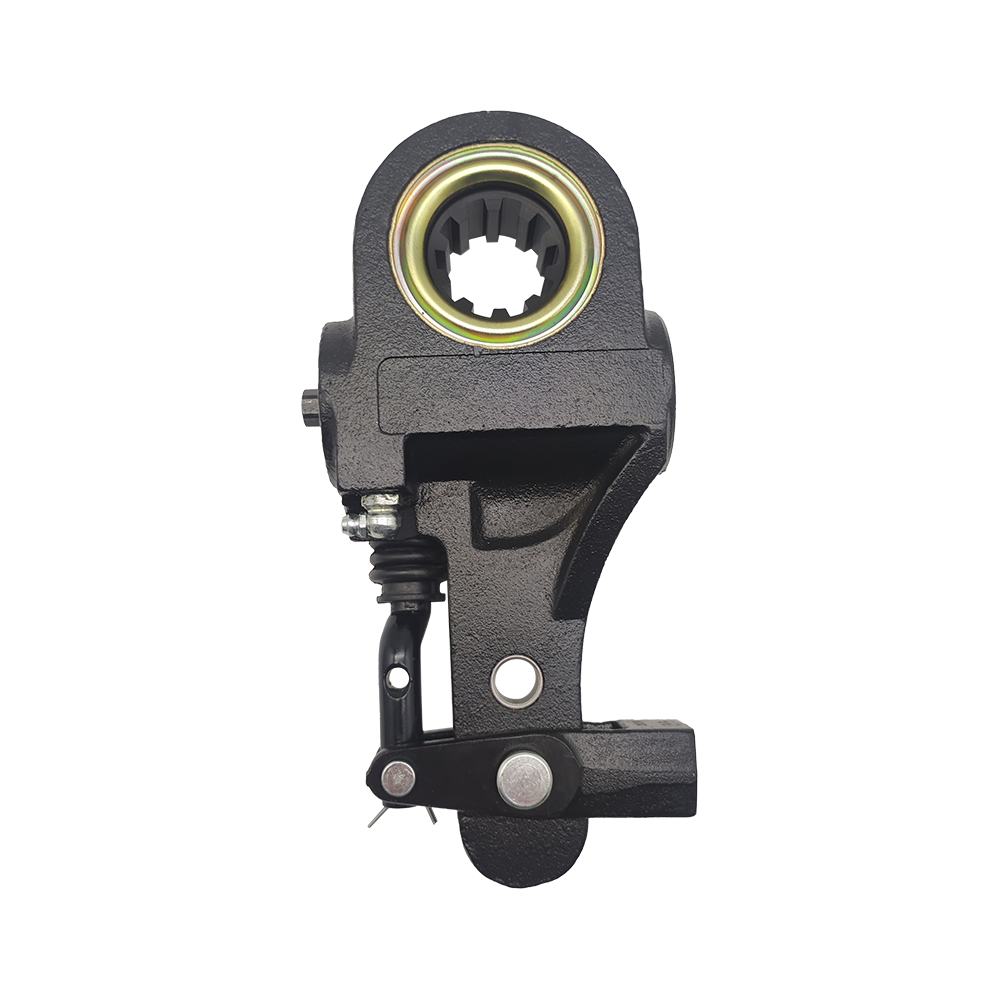
- Spline count and bore diameter on the camshaft end — 10 splines over a 1.5-inch bore is the common heavy-duty American pattern.
- Mounting holes and spacing — three-hole patterns are typical on trailer axles, with tooth counts varying by market.
- Lever arm length, which changes chamber geometry and the force delivered to the cam.
- Left or right hand side, which follows the camshaft direction.
Aftermarket cross-reference numbers are the practical shortcut. A Scania left-side unit listed under reference 72660, a 25-teeth three-hole trailer automatic, or a 10-spline 1.5-inch American-type unit each pins down an exact fitment that a photograph cannot. Ordering by shape instead of data is the most common procurement error in this category, and it converts directly into returns, delays and a truck standing still.
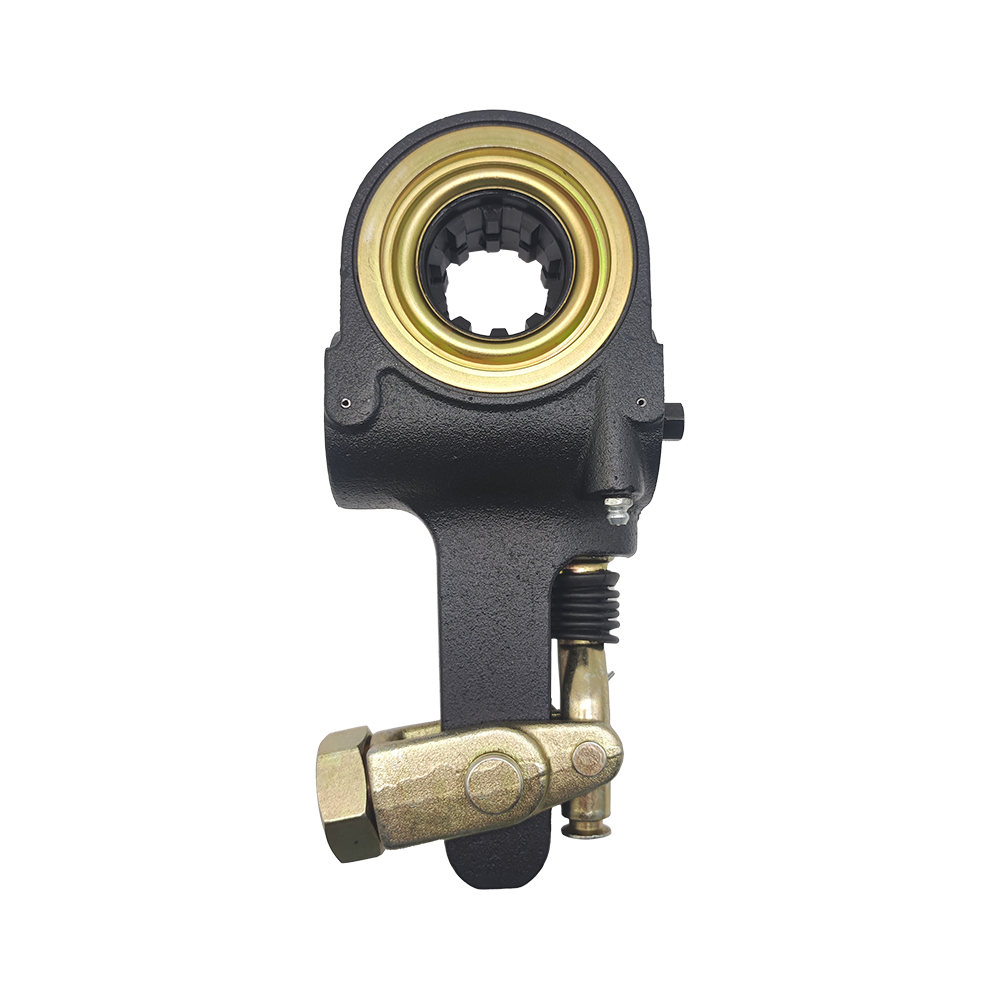 America Type Automatic Slack AdjusterAn American-type automatic slack adjuster with a 10-spline 1.5-inch fitting, ordered by cross-reference data rather than shape, which is the most common way to avoid returns, delays and downtime in this category.View Product →
One Inspection Routine That Covers Both Types
Stroke measurement is identical whichever adjuster is fitted, and it takes only minutes per axle.
Measure it the same way every time: chock the vehicle, charge the reservoirs to full cut-out pressure, mark the pushrod at the chamber, make and hold a full brake application, then compare travel against the chamber's limit — about 1 3/4 inches on a common Type 30.
Do not routinely wrench an automatic back into stroke. Resetting the mechanism by hand hides the real fault, and the stroke creeps back within days — usually before the next inspection rather than after it.
Grease the adjusters on the same schedule as the rest of the chassis; an automatic with a dry worm gear seizes quietly and stops adjusting. When stroke does grow on an automatic, check the chamber, the camshaft bushings and the return springs before condemning the adjuster itself — our overview of the common signs of a malfunctioning automatic slack adjuster walks through that sequence symptom by symptom.
The Short Version
Automatics are the default for good reason: they hold stroke near specification between services, they match the regime modern vehicles are certified under, and they remove the dependence on daily discipline. Manuals remain the right answer for legacy and regional equipment, provided the adjustment schedule behind them is real. Whichever type a vehicle carries, three habits protect it: measure stroke against chamber limits on a schedule, keep the adjusters greased, and order replacements by spline, holes, arm length and reference number.
What good looks like: strokes inside the limits at every check, adjusters that index cleanly during a full application, and fitments confirmed by data before the part ships.
As a manufacturer of replacement brake hardware for trucks, trailers and buses across European, Japanese, Korean, Russian, Indian and American applications, we build both adjuster families to those same fitment rules — you can browse our full range of slack adjusters and air brake components to see the coverage side by side.