English
 русский
 Español
 Deutsch

Fleet Maintenance | Air Brake Diagnosis
When an Automatic Slack Adjuster Keeps Tightening
Brakes that pull up on their own, drums that stay hot long after a run, a wheel that refuses to turn by hand — when an automatic slack adjuster keeps tightening, the adjuster is usually a messenger rather than the culprit. Here is what it is trying to tell you, and where to look before replacing anything.
A driver reports that the right rear wheel began dragging near the end of a loaded shift. By the time the truck reaches the shop, the drum is discolored from heat, the lining has a polished glaze, and the adjuster has already been backed off twice that month — only to tighten itself again before the next run.
Here is the conclusion experienced brake technicians reach after a few dozen such scenes: an automatic slack adjuster does not over-tighten without a reason. It is reacting to excess pushrod stroke from the foundation brake, an installation geometry mistake, or wear elsewhere in the wheel end. Find the source of that extra stroke, and the adjuster settles back to its normal working range on its own.
Automatic slack adjusters take up stroke only during full brake applications. If a unit ratchets tighter during everyday driving, treat it as a symptom of the foundation brake, not a standalone failure.
First, Understand What the Adjuster Is Actually Doing
An automatic slack adjuster is a precision worm-gear assembly. Every full brake application lets an internal sensing clutch measure the angular travel of the adjusting arm. When that travel exceeds its design threshold — roughly the stroke for a 0.020-inch lining-to-drum clearance — the clutch indexes the worm gear and removes a small amount of slack. Otherwise the adjuster does nothing.
That last sentence is the key to this diagnosis. The adjuster cannot tell whether extra stroke comes from worn lining, worn S-cam bushings, a bulged diaphragm, or an out-of-round drum. It sees stroke and pulls the shoes closer until the stroke looks normal. If the foundation brake keeps producing excess travel, the adjuster keeps ratcheting and the brakes keep dragging.
That is why slack adjuster condition and overall brake safety appear together in every serious fleet maintenance review. The practical point is simple: a tightening adjuster is the wheel end's own measurement instrument, and it is reporting that something upstream is moving too much.
"If the foundation brake is healthy and the geometry is right, an automatic slack adjuster will hold its setting for thousands of miles. If it keeps tightening, look outward before you look at the adjuster."
— Common field guidance among veteran brake technicians
The Usual Suspects, in the Order a Mechanic Should Check Them
When a wheel end arrives with the brakes pulled up, the temptation is to back the adjuster off and send the truck out. It will tighten again, because the source of the extra stroke is still there. Work through this sequence; it mirrors how often each cause appears in fleet records.
Worn S-Cam Bushings and Camshaft Support
The most common cause has nothing to do with the adjuster itself. Worn S-camshaft bushings let the camshaft flex under application, and that phantom stroke reaches the adjuster, which dutifully removes clearance. With the wheel lifted, grab the camshaft; more than about 0.030 inch of radial play means the bushings are due.
Pushrod Length and Installation Angle
An automatic slack adjuster is designed around a roughly 90-degree angle between the pushrod and the adjusting arm at full application. If the yoke was set too long, the arm starts beyond that angle and the sensing clutch records extra travel. This is why a new adjuster can over-tighten on its first trip: the installation was wrong, not the unit.
Brake Chamber Trouble Masquerading as Adjuster Trouble
A weak or bulged diaphragm, a broken return spring, or a chamber with the wrong stroke rating produces the same result. The chamber delivers more pushrod travel than the adjuster expects, so the adjuster keeps compensating. Compare the problem wheel with the opposite side and check the stroke rating stamped on the flange.
Drum and Lining Conditions That Fool the Sensing Clutch
Out-of-round drums, drums machined past the maximum diameter, and unseated linings all add false stroke. A drum that flexes under application behaves like a pushrod that suddenly grew longer.
Do not back off an automatic slack adjuster with an impact gun. It is not a manual adjuster; forcing the hex damages the internal clutch and worm gear, turning a fixable problem into a failed component.
A Field Diagnosis Table for the Tightening Adjuster
Use the table below when brakes have pulled up on one wheel end or across an axle.
| Symptom pattern | Root cause to check first | Quick field test | Correction |
|---|---|---|---|
| One wheel drags after loaded driving | Worn S-cam bushings | Lift wheel; check radial play at bracket | Replace bushings; re-check stroke |
| New adjuster tightens immediately | Pushrod yoke too long / wrong angle | Watch arm angle at full application | Reset yoke to 90 degrees when applied |
| Whole axle pulls up | Mismatched or failing chambers | Compare stroke ratings left vs. right | Replace chambers in matched pairs |
| Intermittent tightening after hard stops | Out-of-round or oversized drums | Measure runout and wall thickness | Machine within limits or replace |
| Holds, then slackens and re-tightens | Internal wear / failed one-way clutch | Bench-test locking torque and rotation | Replace with exact axle specification |
Not every fix involves the adjuster; in practice, at least seven of ten over-tightening complaints are resolved by repairing the wheel end.
When the Slack Adjuster Itself Is the Problem
Automatic slack adjusters do eventually wear out. Years of service can produce a seized worm gear, a clutch that will not reset, hardened grease, or worn splines that let the arm rock. In those cases the adjuster holds its setting erratically or keeps ratcheting no matter how healthy the foundation brake is.
Specification matching matters as much as component condition. European tractors typically use AA1-style adjusters with defined arm lengths and spline counts, and a "close enough" replacement can reproduce the complaint within a few thousand kilometers. When a European tractor needs a new adjuster, the replacement should follow the original stroke behavior — same worm ratio, same side, same arm length.
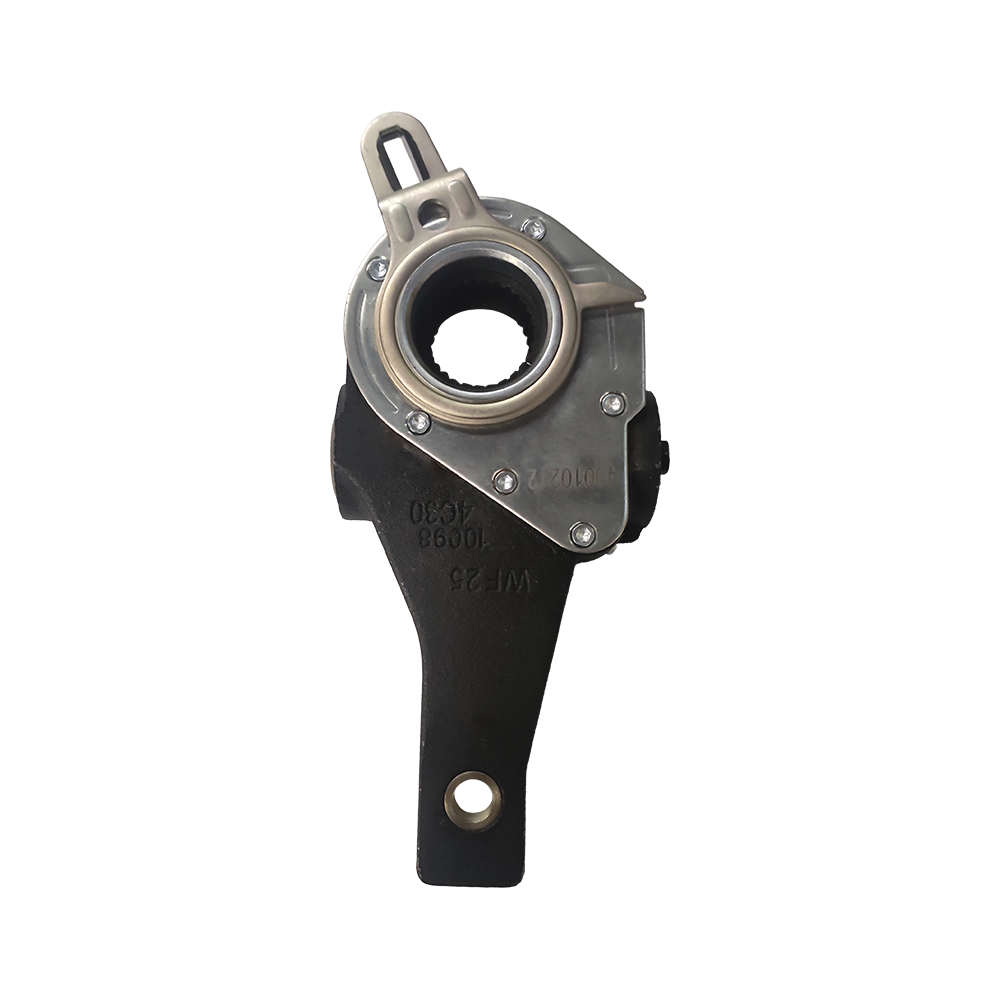
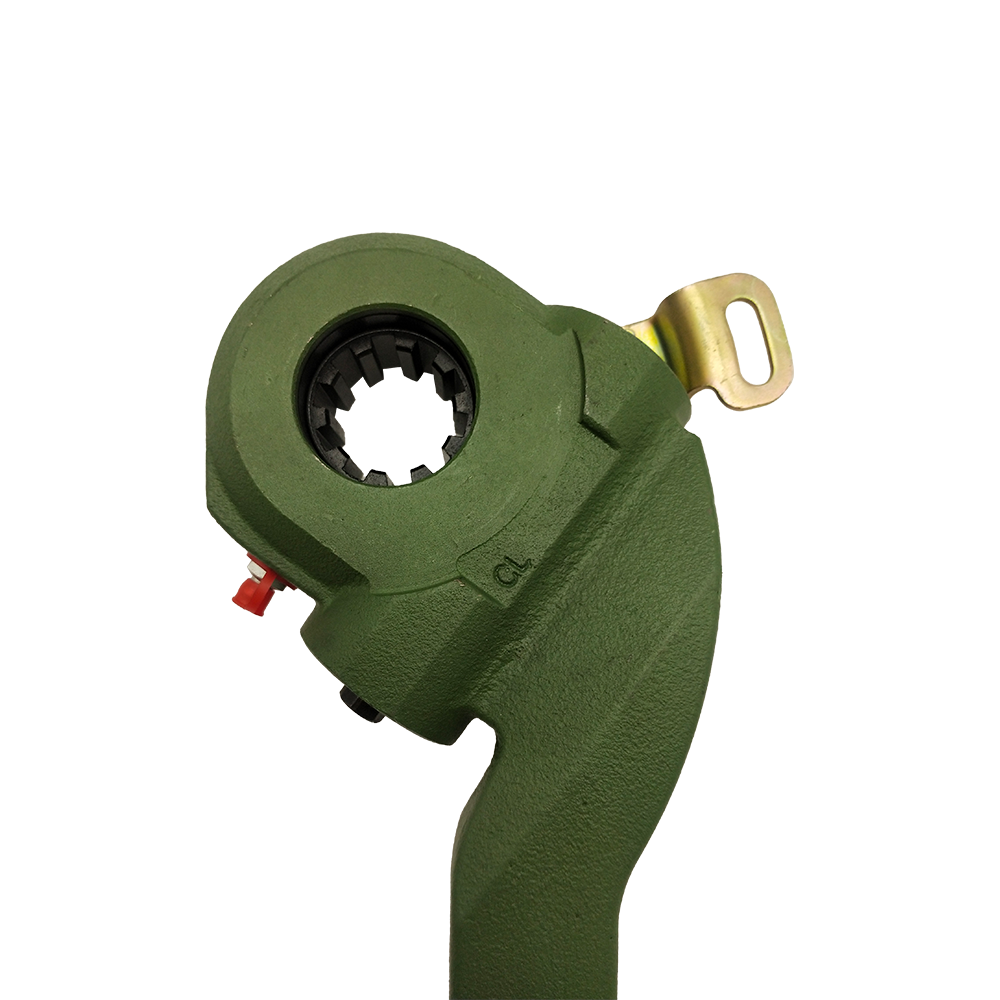 Haldex 72660 Long Life Left Side Brake Adjuster for Scania TruckThis AA1-type automatic slack adjuster matches the specified arm span, tooth count, and offset for European tractors, ensuring the original stroke behavior and avoiding premature brake pull-up.View Product →
Trailer axles follow the same rule. A common European trailer pattern is 25 teeth with a 3-hole mount; fitting a 28-tooth arm because it lines up shifts the stroke window enough to create a constant pull-up condition. Verify tooth count, hole pattern, and arm length printed on the box.
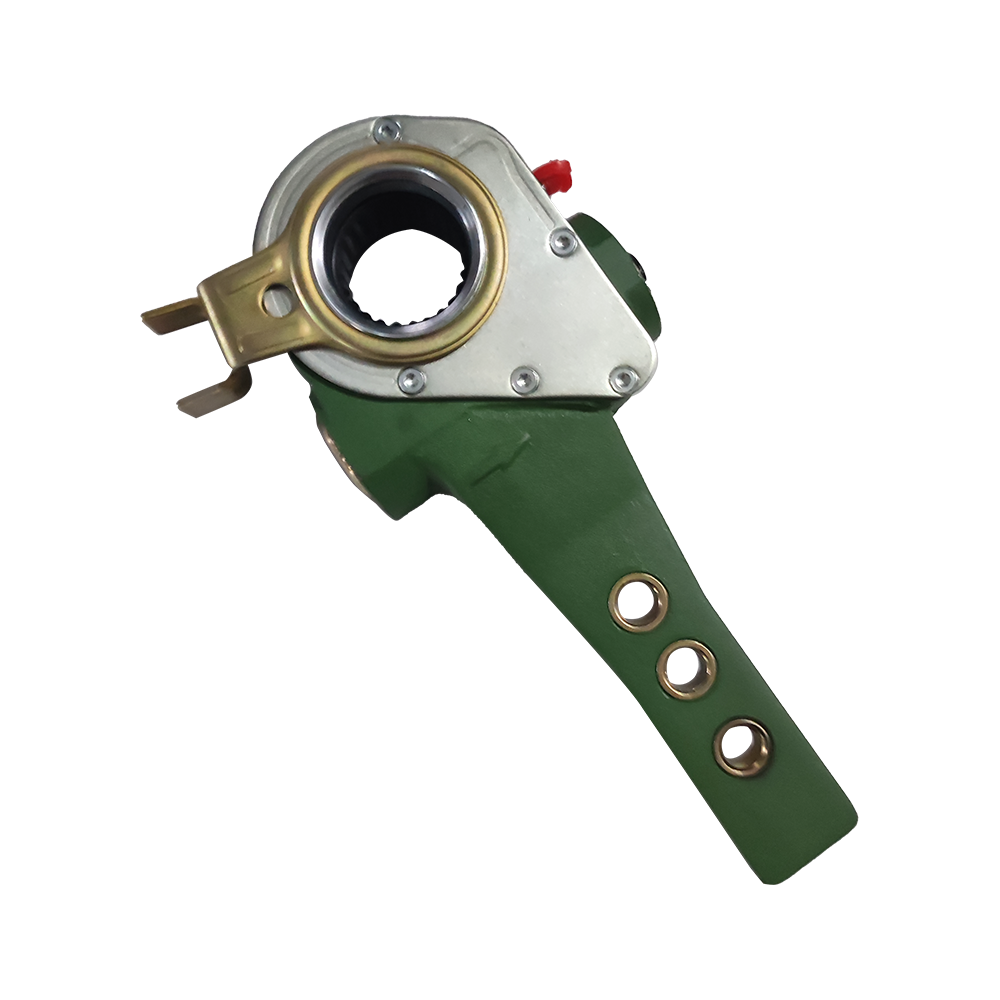 79863 AA1 Trailer Automatic Slack Adjuster with 25 Teeth and 3-Hole MountDesigned for European trailer axles with 25 teeth and a 3-hole mounting pattern, this unit maintains correct stroke windows and prevents constant pull-up conditions during operation.View Product →
Installation and Maintenance Habits That Stop the Cycle
Most repeat visits for over-tightening are prevented at installation. Mount the adjuster so the pushrod sits near 90 degrees at full application, and set the yoke to the chamber stroke for that axle. On a North American heavy truck, the replacement needs the original 10-spline, 1.50-inch hub and exact arm length — not a metric arm that happens to engage the splines.
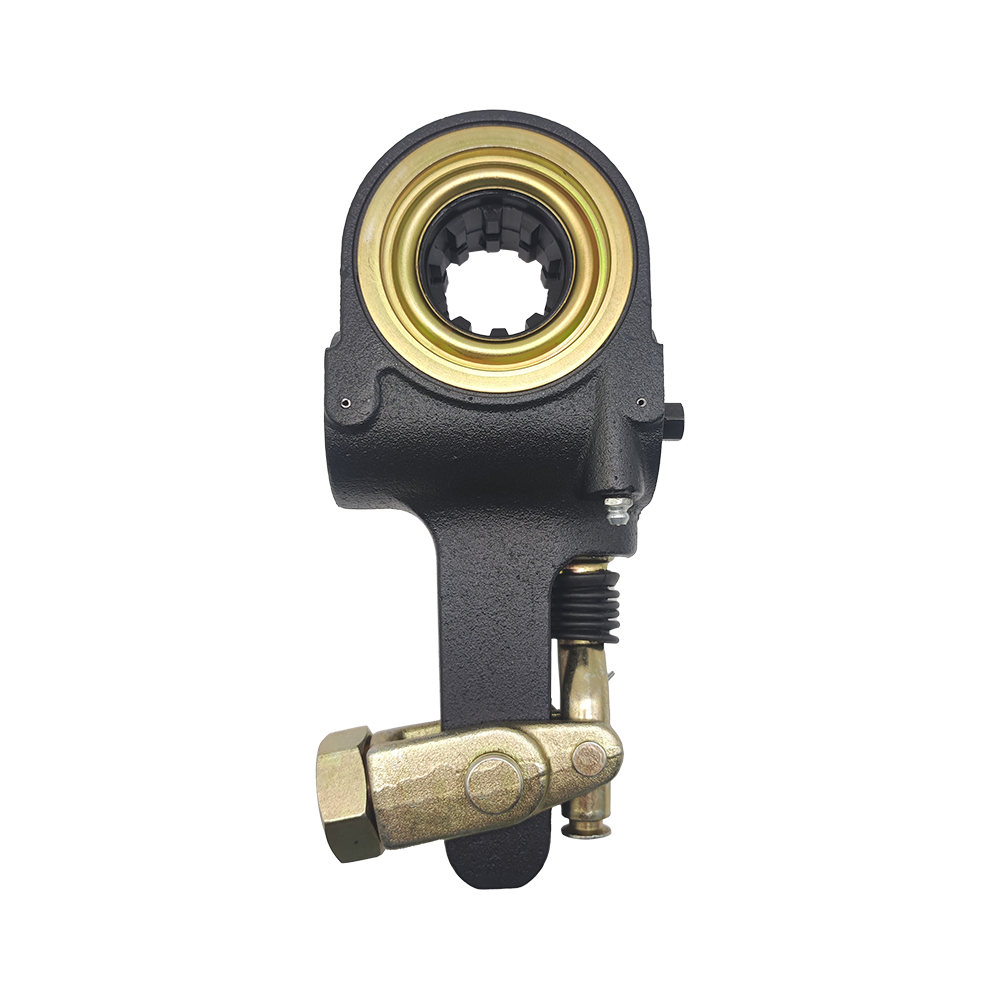
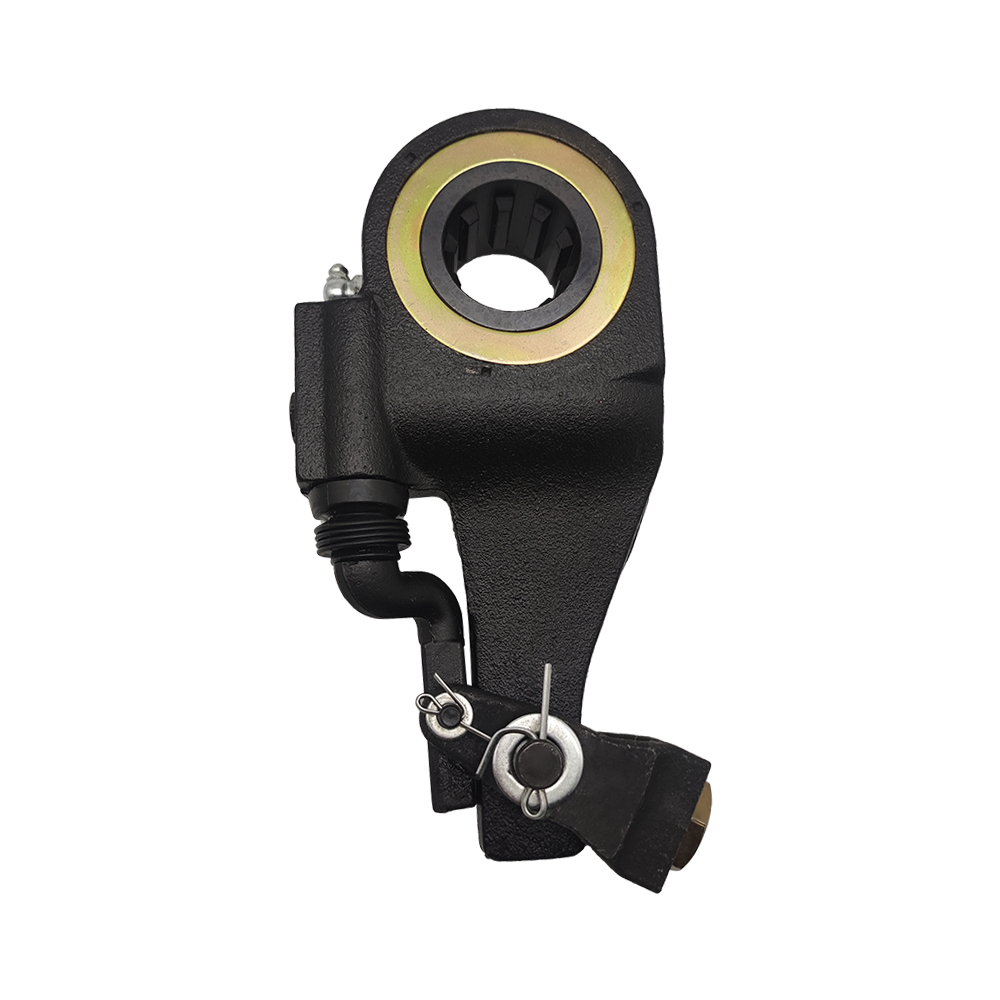
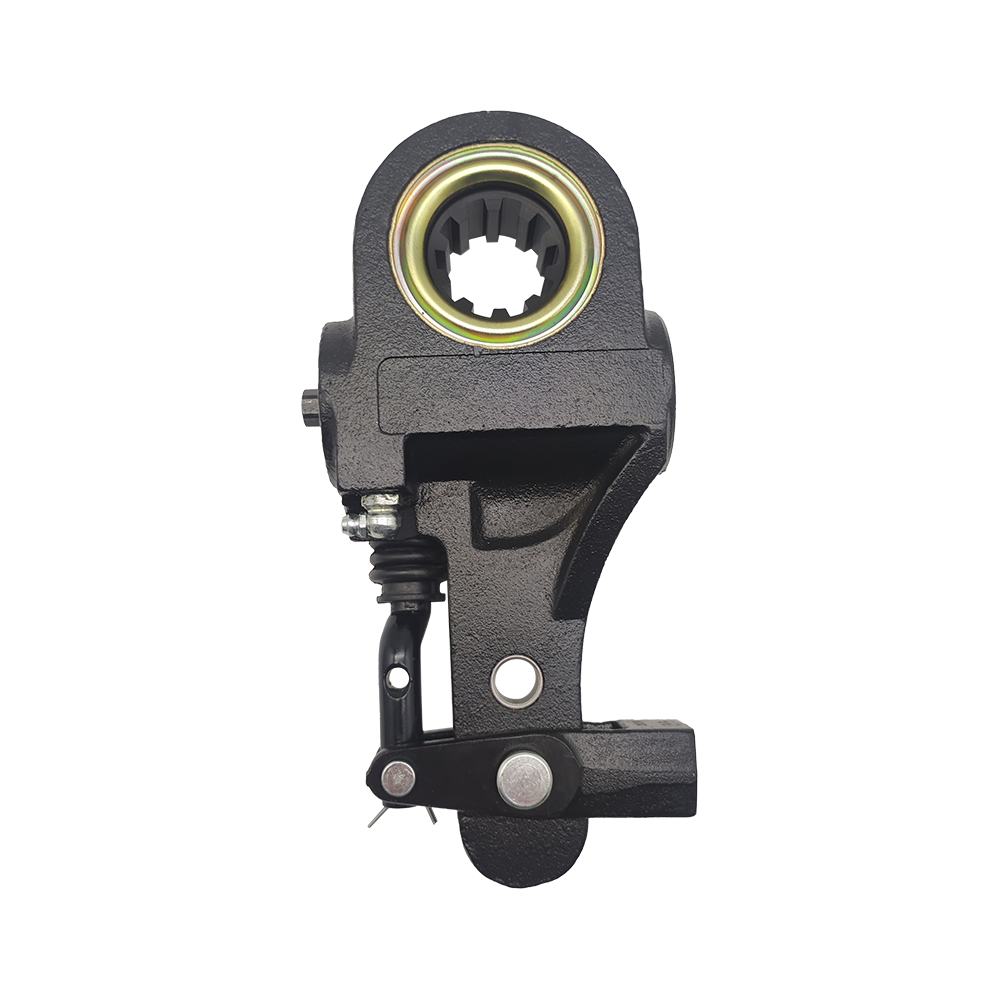
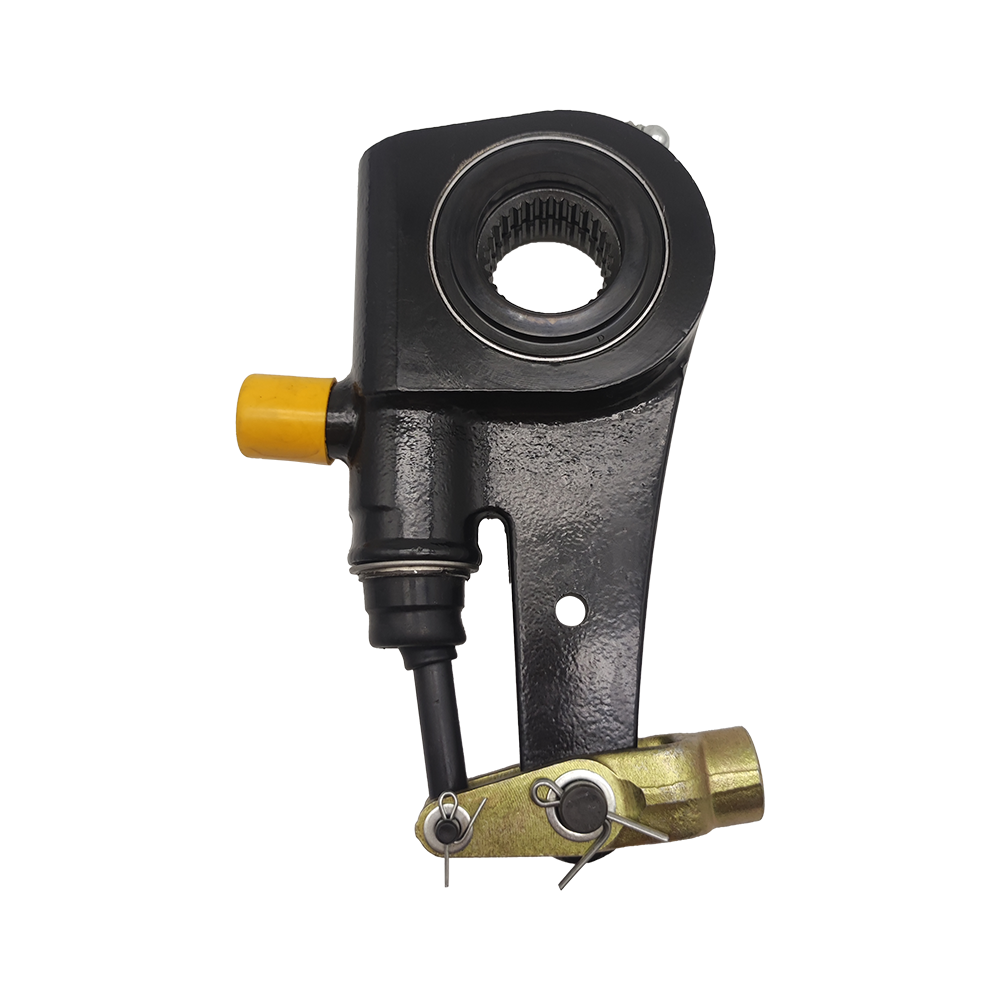
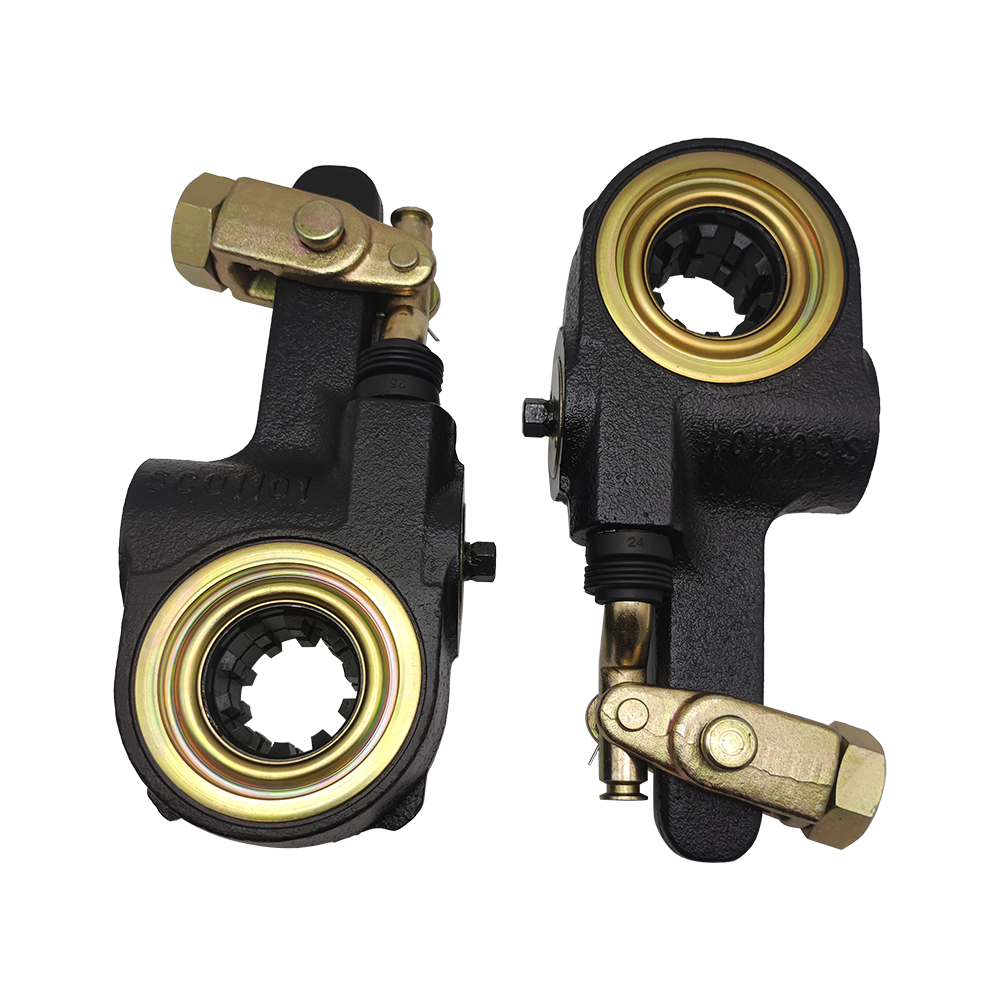 AS1132 5.5-Inch American Type Automatic Slack Adjuster with 10-Spline HubA 10-spline, 1.5-inch hub slack adjuster with a 5.5-inch arm, built for North American heavy trucks and supplied with clevis kits for accurate pushrod alignment.View Product →
Take the extra ten minutes to cycle the brakes and confirm the unit settles to a quarter to half turn after the first full application. Then record stroke readings on every PM visit.
- Center the pushrod clevis to avoid side load.
- Set the yoke so the pushrod is perpendicular to the arm at full application.
- Stroke-check the chamber every PM and flag any growth.
- Make several moderate stops from low speed after any replacement.
A slow rise in pushrod stroke between inspections is the earliest warning that a wheel end is wearing toward a dragging brake. Fleets that rely on the automatic function alone usually notice only when the wheel is smoking.
Make the stroke test part of every preventive maintenance stop. When slacks are known to be healthy, a tightening adjuster becomes a diagnostic signal — not a recurring breakdown.
The Bottom Line
An automatic slack adjuster that keeps tightening is telling the truth. The foundation brake is creating too much travel, the pushrod geometry is wrong, or the adjuster is worn out or mismatched. Start with the S-cam bushings, confirm the pushrod angle, stroke-check the chamber, and measure the drum. Only then judge the adjuster itself. When replacement is required, fit a unit with exactly the right spline, arm length, and stroke behavior for that vehicle.
A dragging brake can push a drum past its safe temperature in less than an hour of highway running, leading to severe fade, seal failure, or a wheel-end fire. If one wheel is visibly hotter than the others, park the vehicle and inspect before continuing.
Get the diagnosis right, and the adjuster will hold its setting for hundreds of thousands of miles — quietly maintaining a safe, consistent brake gap so the driver never has to think about it.