English
 русский
 Español
 Deutsch

Content
The truck rolls into the bay with a seized automatic slack adjuster after more than 400,000 miles of service. The identification tag is gone, and the stamped number on the housing is too worn to read. The maintenance history only lists the unit as an automatic slack adjuster. This is the moment when an automatic slack adjuster cross reference earns its place in the shop: it translates a worn-out part number into the spline count, arm length and mounting pattern that define the correct replacement. Used correctly, a cross reference turns guesswork into a fast, confident match.
Why Cross Reference Accuracy Matters
An automatic slack adjuster has one primary job: keep the brake stroke within its designed range as the friction material wears. It does this automatically, but only when the unit is physically correct for the axle. A cross reference that matches the brand without matching the geometry causes real problems. The splines can strip, the clevis pin can bind, or the adjuster simply cannot hold the stroke where it should.
In an air brake system, an incorrectly matched slack adjuster does not just wear out faster. It produces uneven braking between wheels, which increases stopping distance and makes the vehicle harder to control in an emergency stop. Over time, the imbalance burns through brake linings and can push the stroke past the limit allowed for commercial vehicles. Inspectors check automatic slack adjusters during routine brake inspections, and a unit that cannot hold proper stroke is a violation. Understanding how automatic slack adjusters contribute to overall brake system safety makes it clear why the cross reference must be verified rather than assumed.
Measure First, Then Cross Reference
Before opening a cross reference chart, record the physical details from the existing unit. The original part number, when legible, is the fastest route. But the geometry is the final authority, because axles get swapped, housings get replaced, and the unit on the truck may not match what the parts list says should be there.
The five measurements below cover what a cross reference needs in order to confirm a match.
| Specification | What to check | Typical values |
|---|---|---|
| Spline count | Number of teeth inside the bore | 10, 24, 25, 28 |
| Spline diameter | Bore diameter across the splines | 1.5 in (38 mm), 1.25 in |
| Arm length | Spline bore center to clevis pin center | 5.5 in, 6 in, 7 in |
| Mounting pattern | Number of bolt holes and spacing | 3-hole, 4-hole, torque plate |
| Side and rotation | Left or right axle position | Left hand, right hand |
Write these numbers down before you search. The cross reference may list several compatible part numbers, but the correct unit is the one that matches all of these dimensions at the same time.
How to Use a Cross Reference for Automatic Slack Adjusters
A practical cross reference workflow takes about five minutes and follows the same order every time.
- Locate the part number stamped on the adjuster body or on a metal tag attached to it. Clean the area first; road film hides these numbers.
- Look the number up in the cross reference and note which automatic slack adjuster family it belongs to, such as AA1 or S-ABA.
- Compare the listed specifications against your measured spline count, arm length and mounting pattern. Do not skip this step even when the part number looks like an exact match.
- Confirm the side and rotation direction. Left and right units are often mirror images and cannot be swapped.
- Order the replacement that matches the original reference, then verify it against the axle before installation.
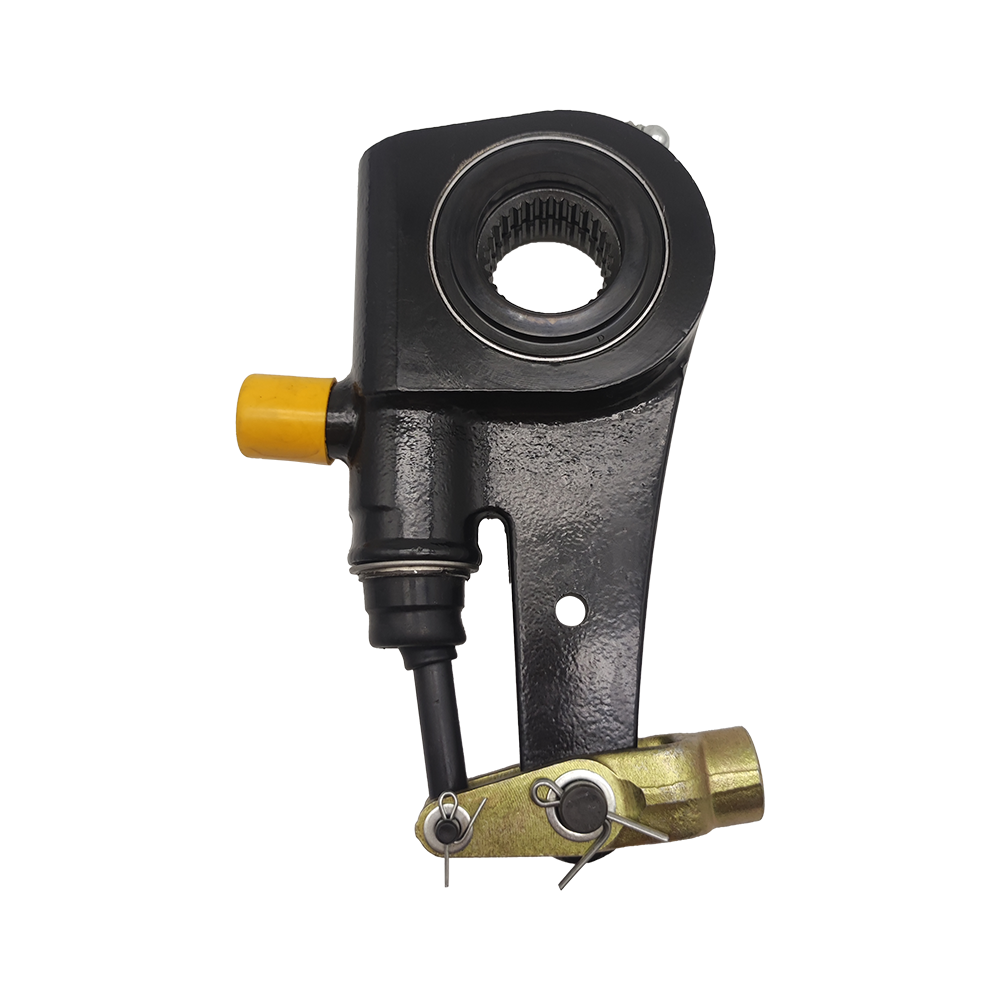
Most manufacturers and suppliers publish the original reference numbers alongside their own product numbers. When the original unit on a Scania truck carries the 72660 reference, for example, the cross reference points to an automatic slack adjuster for Scania trucks with the same spline and spacing, ready to install on the left side.
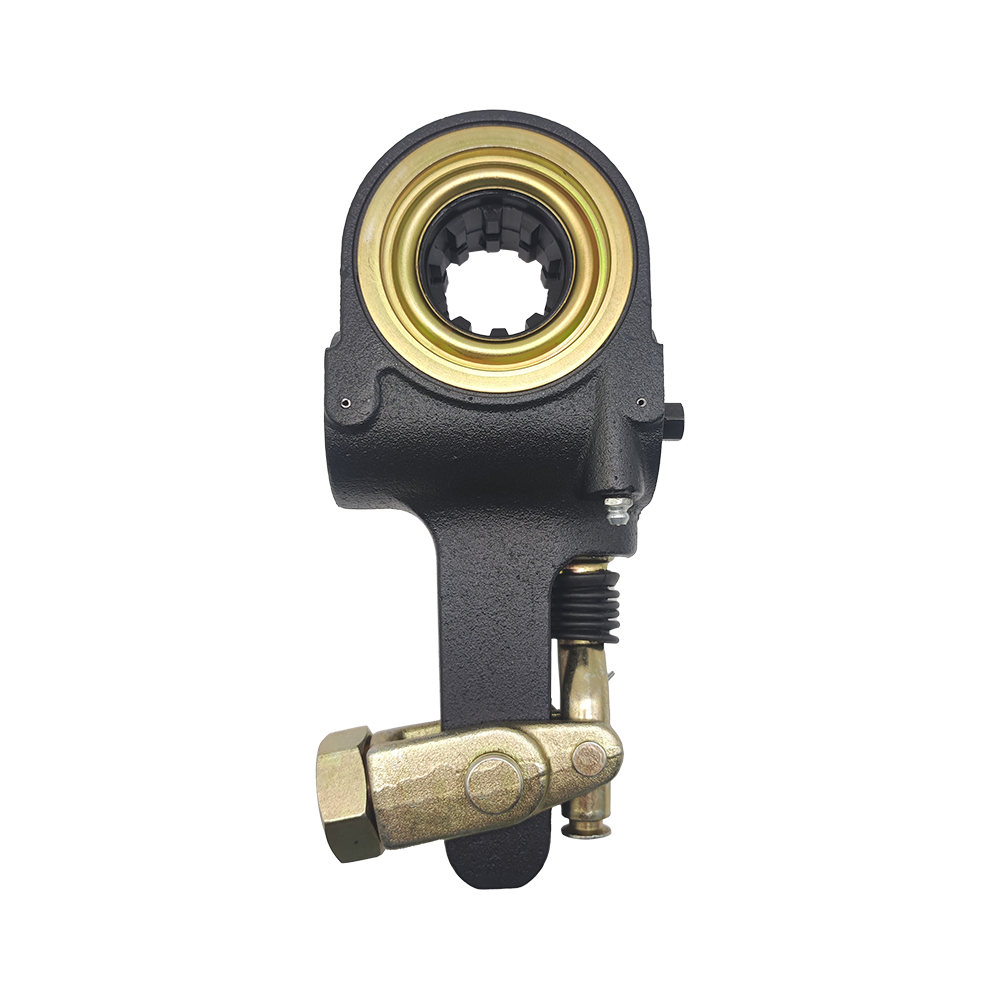
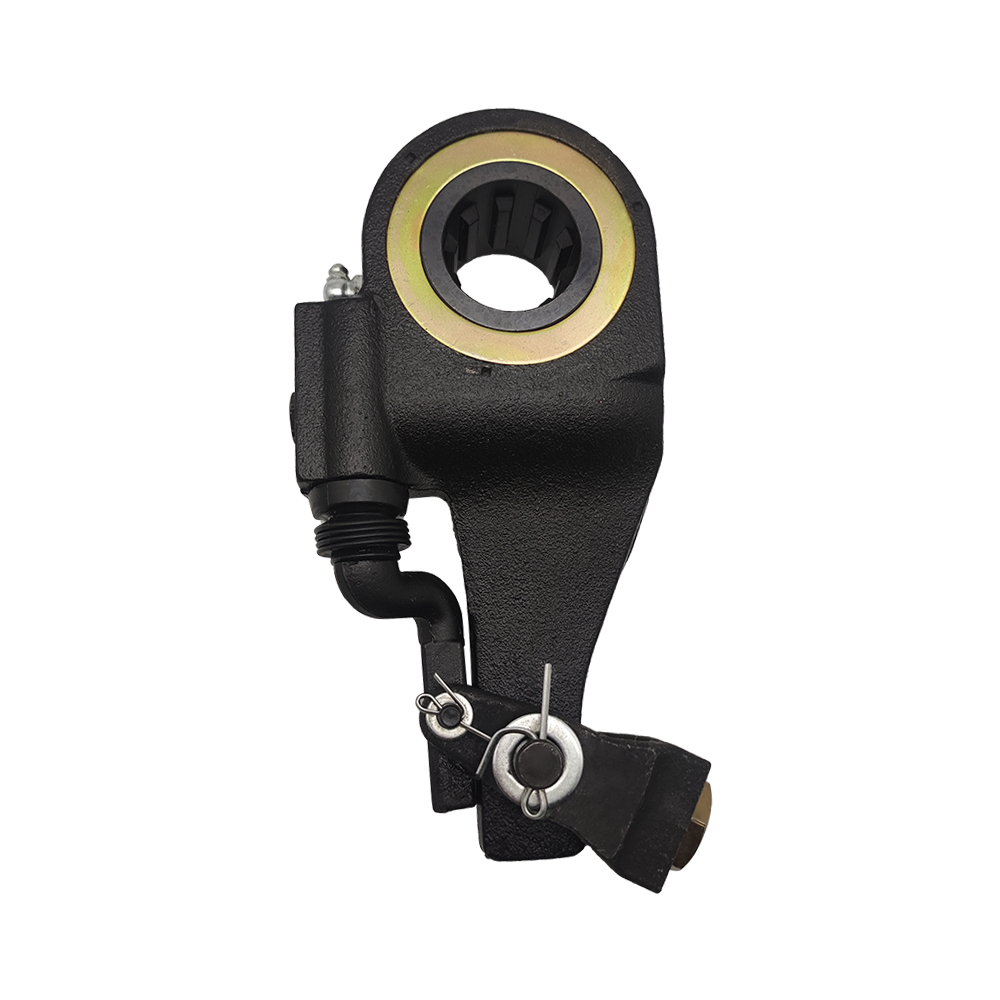
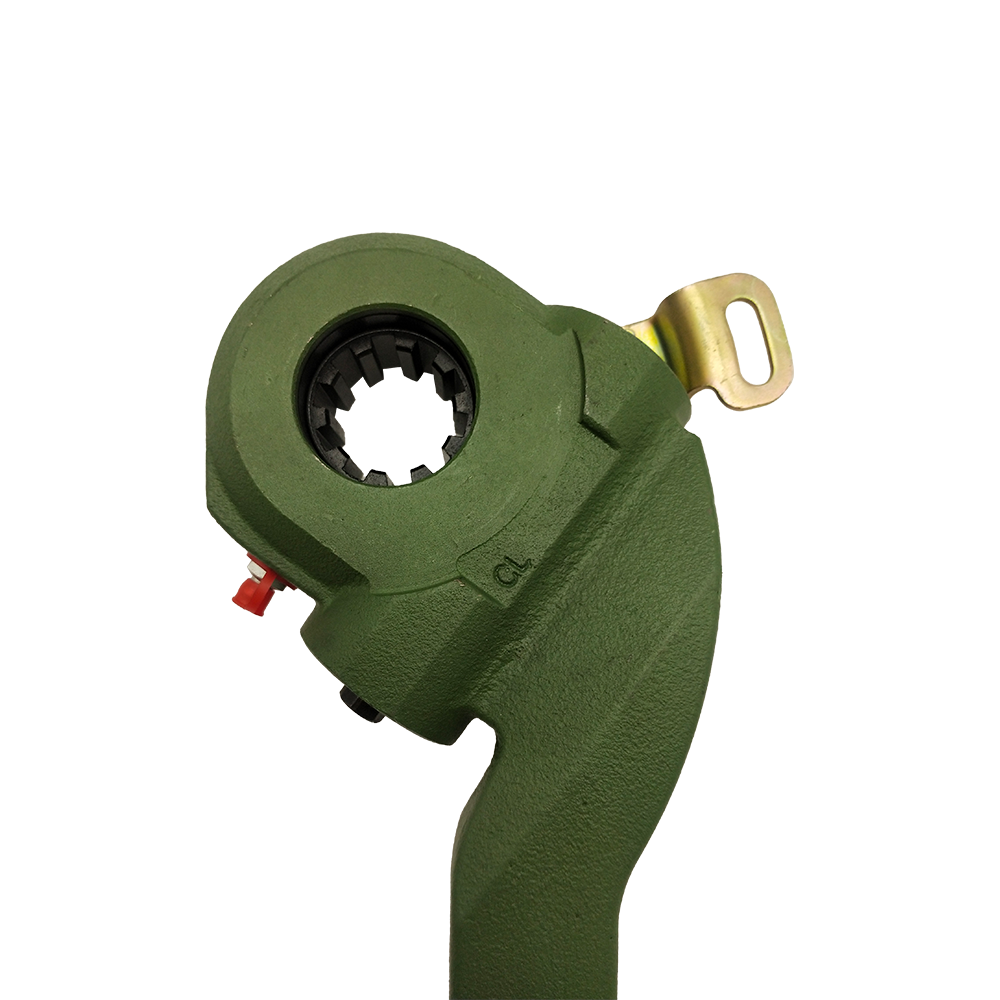 OEM Haldex 72660 long life left side brake adjuster for Scania truck ManufactureShaoxing Tiean Auto Fittings Manufacturing Co., Ltd is China OEM Haldex 72660 long life left side brake adjuster for Scania truck manufac...View Product →
Common ASA Families and What They Cover
Automatic slack adjusters are usually grouped into families based on the original design they follow. Knowing the family helps narrow a cross reference before you even look at dimensions.
AA1 Type
AA1 units follow a European-style automatic design that has become common across European, Japanese, Korean and Russian commercial vehicles. Reference numbers such as 72660, 72661, 72779, 79250 and 79251 appear frequently in this group. In practice, an AA1 cross reference covers Scania trucks, Hino, Daewoo buses and MAZ or PAZ applications. These units come in several spline configurations depending on the axle.
S-ABA Type
S-ABA automatic slack adjusters use a different internal mechanism from AA1 units and are common on Mercedes-Benz, MAN, Hino and Daewoo vehicles. Reference numbers such as 80009, 80030, 80180, 80181 and 80226 show up frequently in European and Asian applications. The cross reference path for S-ABA units is separate from AA1 because the worm gear housing and stroke setting differ.
America Type
American-style slack adjusters are built around inch-dimensioned splines, most commonly 10 spline at 1.5 inches, and are organized into BD, RW, AS and CB series. Units in these series are identified by arm length rather than by vehicle model alone. An American type automatic slack adjuster with a 10-spline 1.5-inch bore is a typical AS-series match for heavy trucks. The America type automatic slack adjusters category groups these references into series, which simplifies the search for North American applications.
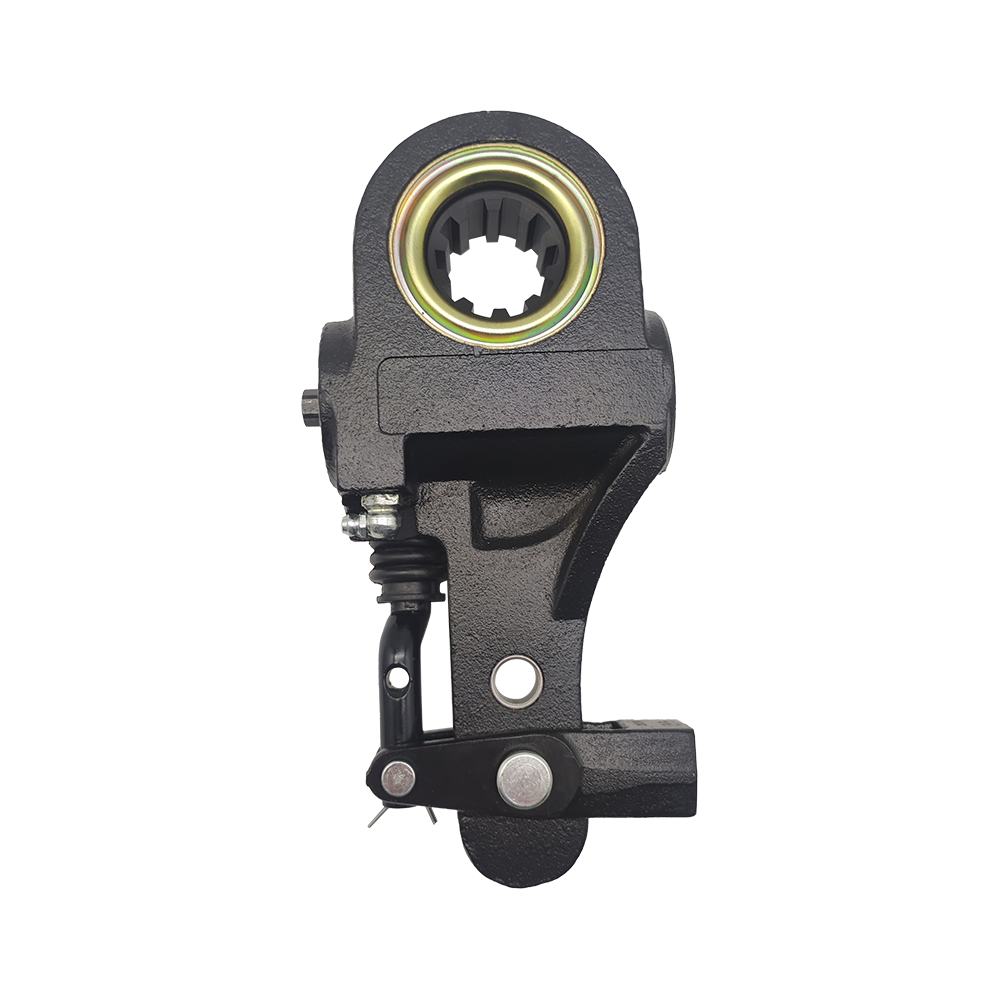
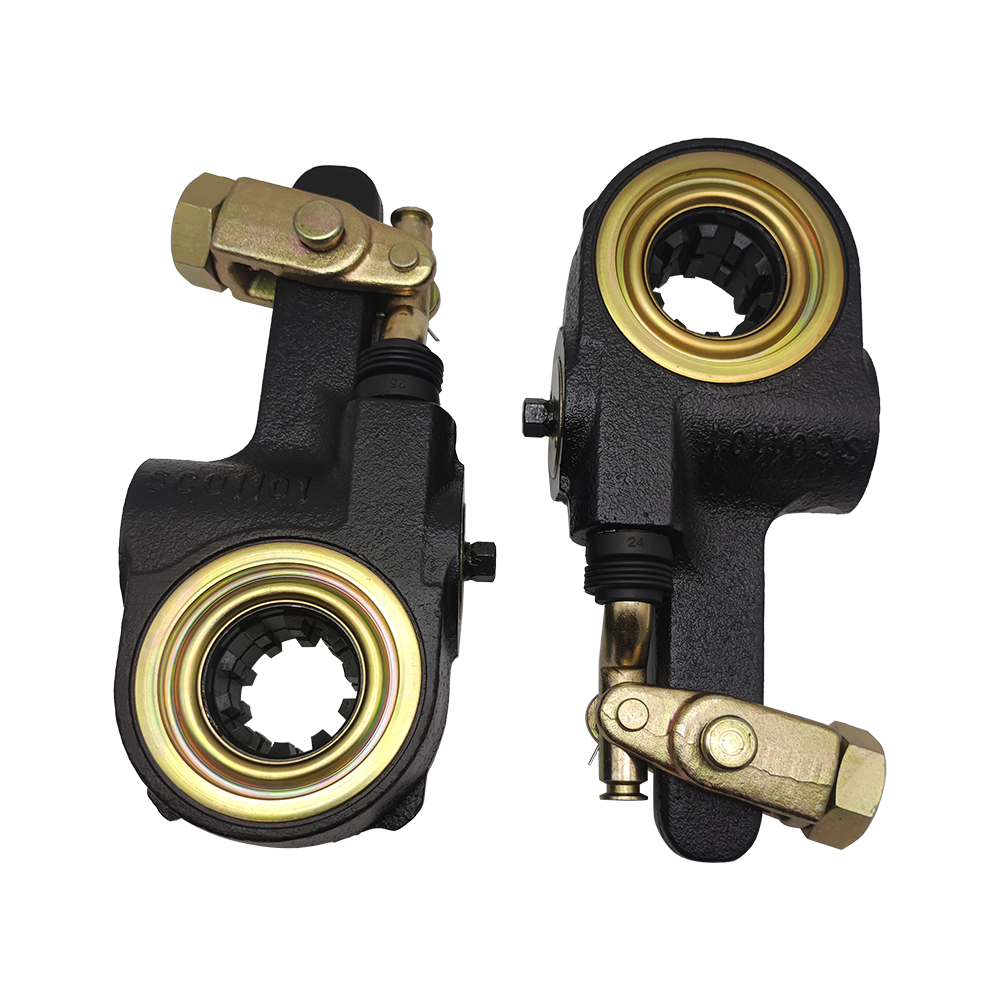 OEM AS1132 5.5" AS series american type 10-spline, 1.5" dia automatic slack adjuShaoxing Tiean Auto Fittings Manufacturing Co., Ltd is China OEM AS1132 5.5' AS series american type 10-spline, 1.5' dia automatic slack ...View Product →
Trailer Applications
Trailer slack adjusters often use flange mounting instead of a torque plate, with 25 or 28 teeth and a three-bolt pattern. An AA1 trailer automatic slack adjuster with 25 teeth and 3 holes covers one of the most common configurations in tandem axle trailers. Verify the bolt circle diameter as well as the tooth count, because similar-looking flanges are not always interchangeable.
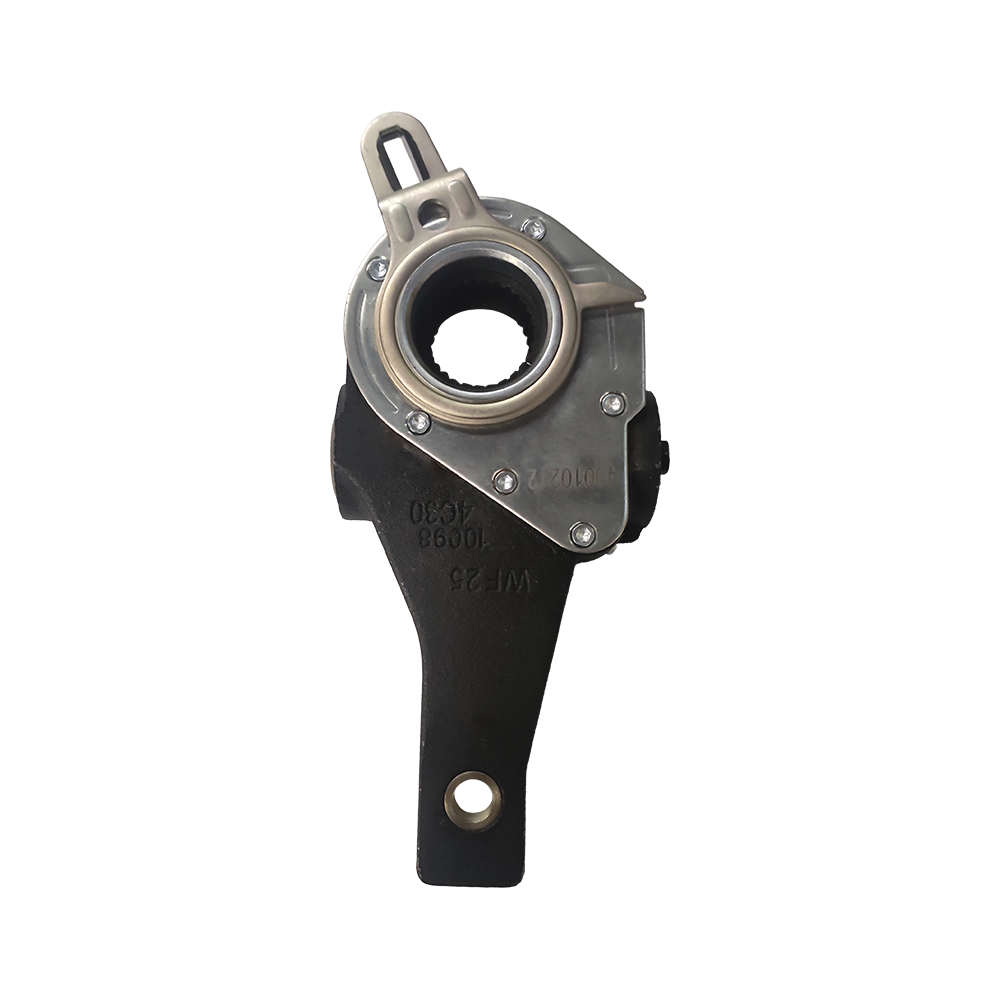
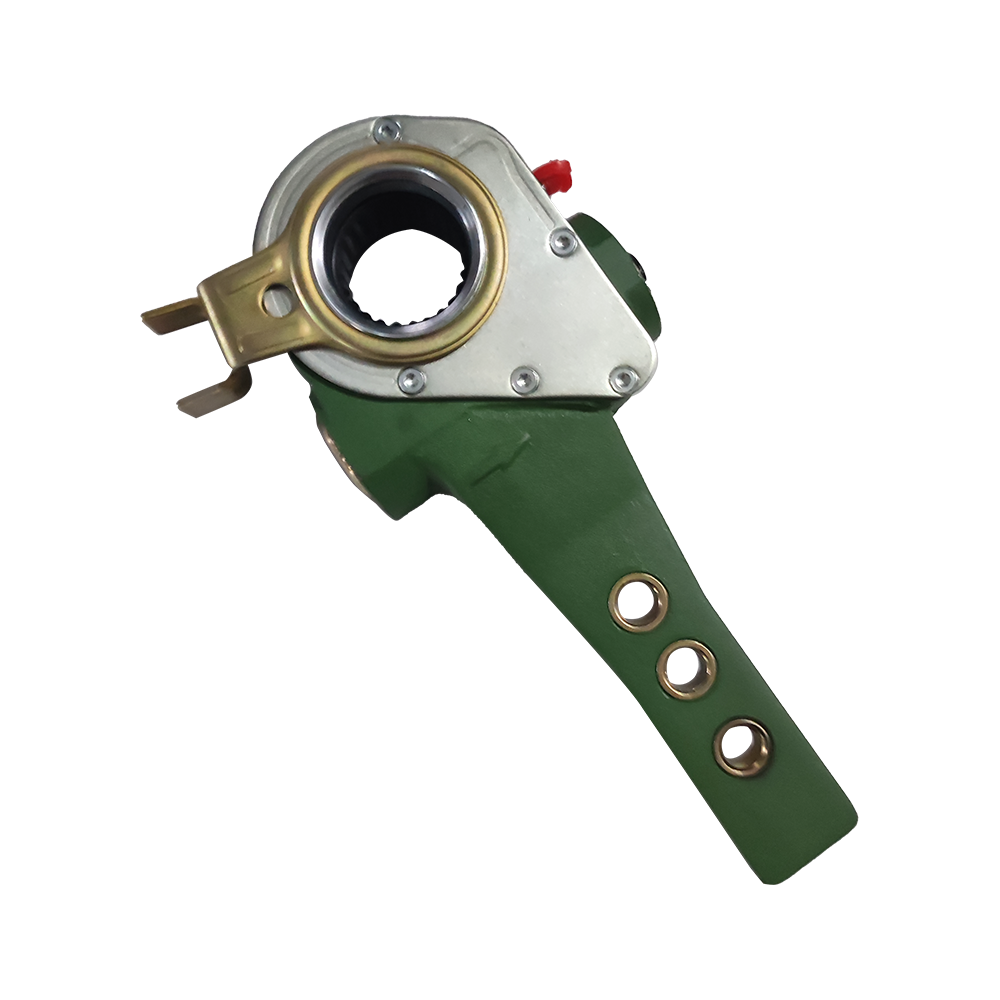 OEM 79863 AA1 trailer automatic slack adjuster 25 teeth 3 holes heavy duty truckShaoxing Tiean Auto Fittings Manufacturing Co., Ltd is China OEM 79863 AA1 trailer automatic slack adjuster 25 teeth 3 holes heavy duty t...View Product →
| Family | Common references | Typical applications | What to verify |
|---|---|---|---|
| AA1 | 72660, 72661, 72779, 79250, 79251 | Scania, Hino, Daewoo, MAZ/PAZ | Spline count, left or right side |
| S-ABA | 80009, 80030, 80180, 80181, 80226 | Mercedes-Benz, MAN, Hino, Daewoo | Tooth count, arm length, side |
| America BD | 65172, SA21103 | North American steer and drive axles | 10 spline, 1.5 in, 6 in arm |
| America AS | AS1132 | North American heavy trucks | 10 spline, 1.5 in, 5.5 in arm |
| Trailer | 79836, 79863, 80222 | Tandem axle trailers | 25 teeth, 3 holes, bolt circle |
Common Pitfalls in Slack Adjuster Cross Referencing
Most returned units and failed installations trace back to a small set of repeated mistakes.
- Assuming the same family means the same part. Within AA1 or S-ABA, spline count and arm length vary. The reference number is only the starting point.
- Ignoring the side. Left and right units are frequently mirror images. Installing the wrong side changes the adjustment direction and prevents the unit from holding stroke.
- Trusting the number after an axle swap. Rebuilt axles or secondhand suspensions can carry a slack adjuster that does not correspond to the vehicle parts list.
- Forgetting the mounting style. Torque plate, flange and clamp styles are not interchangeable, even when the splines match.
Each of these mistakes is avoidable if the cross reference is treated as a two-step process: identify the family from the old part number, then confirm the physical dimensions. Suppliers that publish both the original reference and the measured specifications make this verification straightforward.
A good automatic slack adjuster cross reference does not replace measurement; it makes measurement useful. When the old unit comes off the axle, record the spline count, arm length, mounting pattern and side before you look anything up. Then use the cross reference to move from the original reference number to a replacement that matches the geometry. The payoff is an adjuster that seats correctly, holds its stroke setting, and keeps the brake system within the limits that inspectors check. That is the difference between a part that fits on paper and a part that fits on the truck.